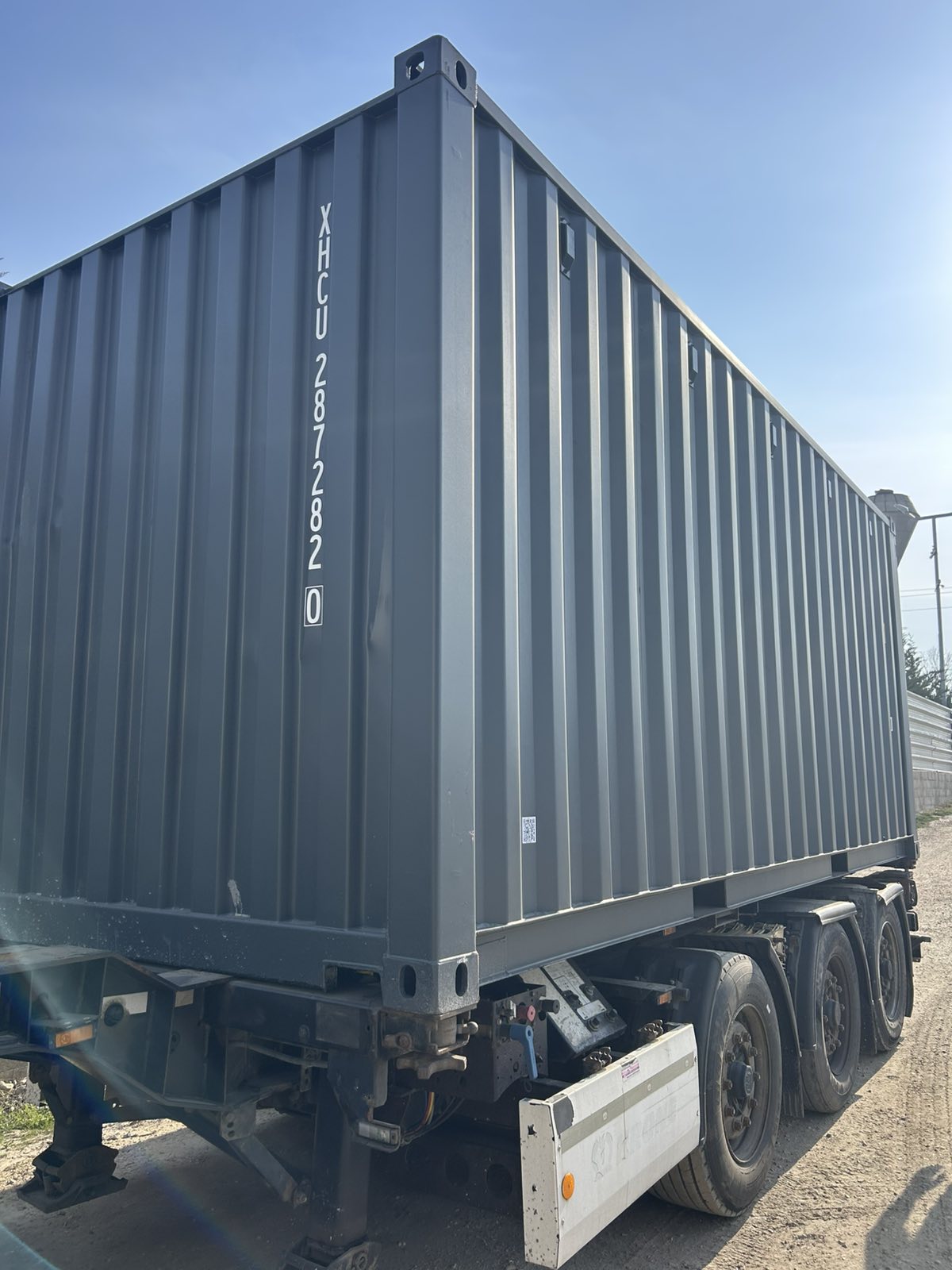

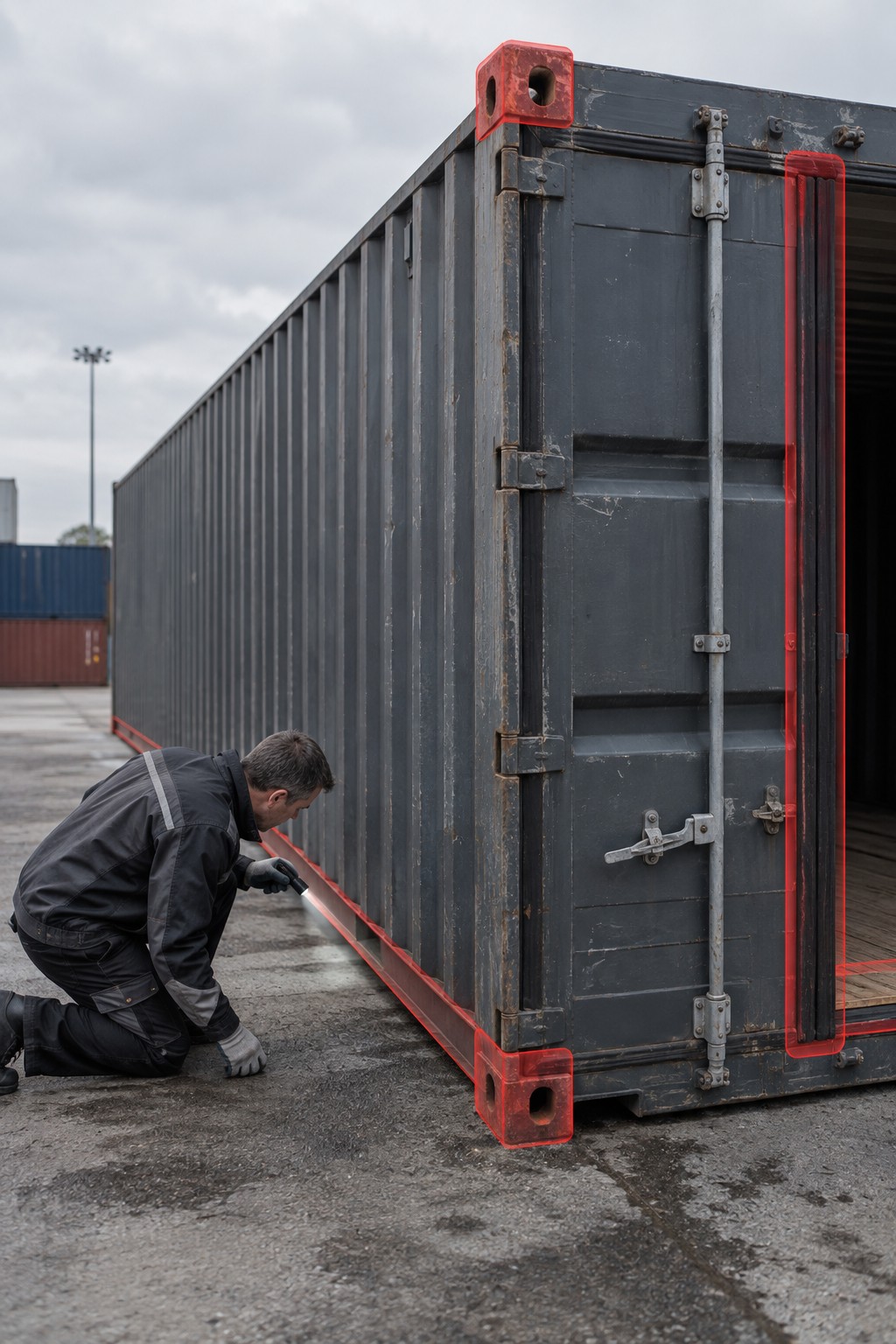

Hogyan különböztessük meg a minőséges konténert a “leírás szélén állótól”
Hogyan kerüljük el a hibát? Mutatjuk, mire kell figyelni.


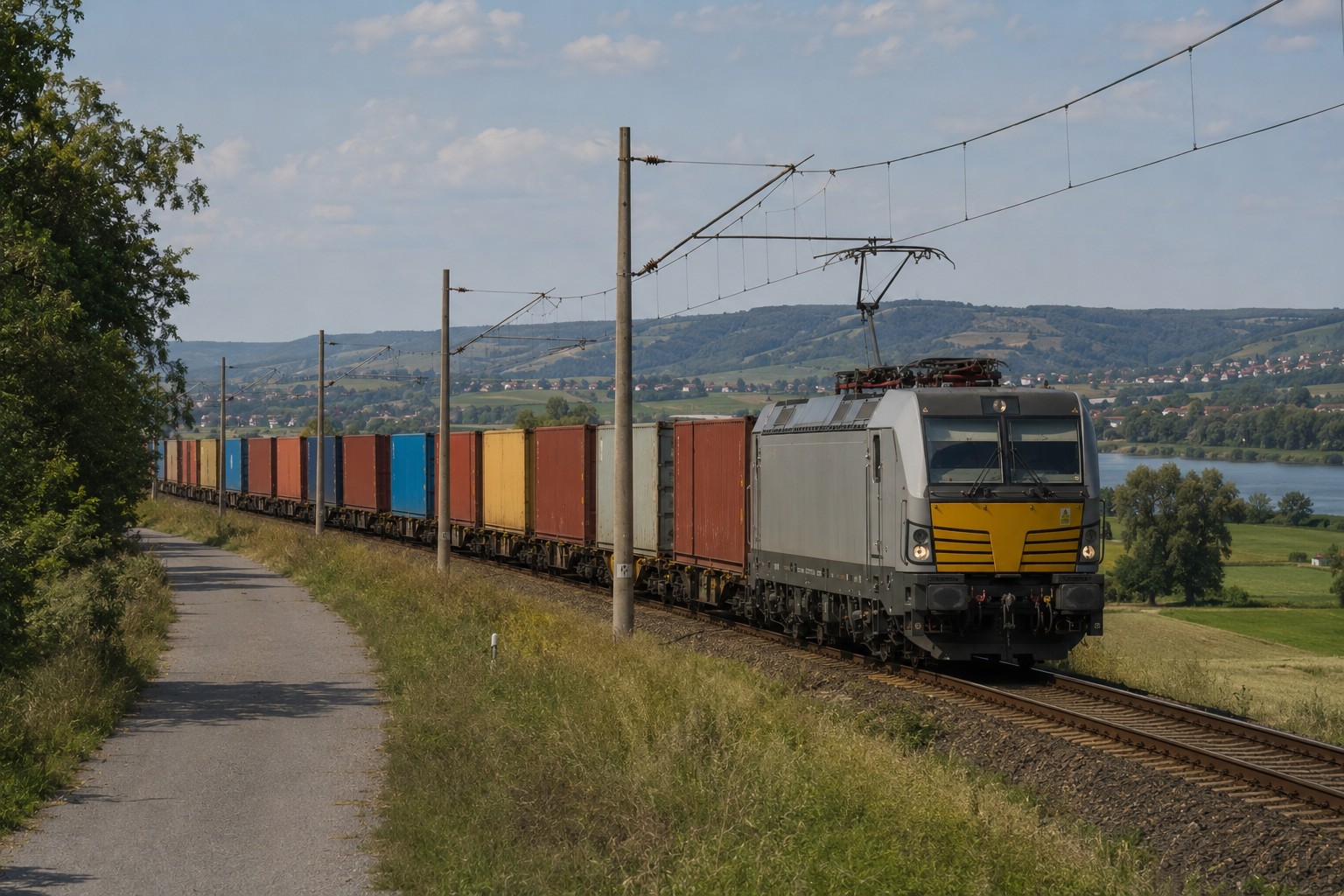
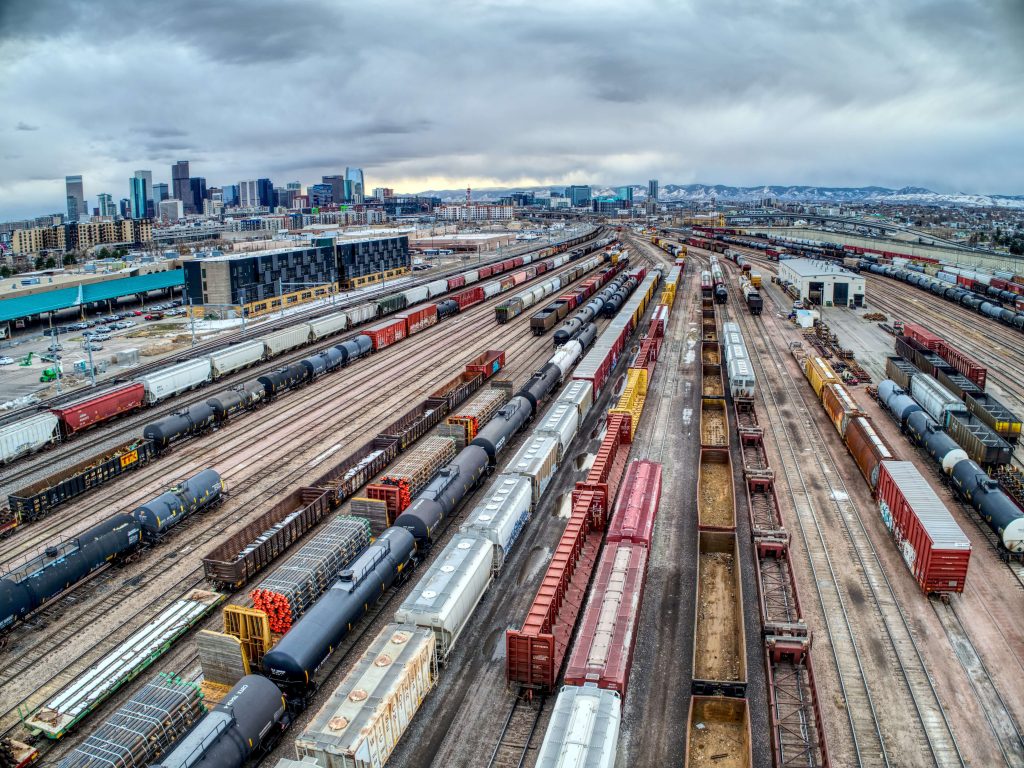
In the past 6 years more than 27.000 freight trains were dispatched only by the UTLC ERA on the traintracks of the New Silk Road. One train carries on avarage of 100 TEU at once. This is around 2.627.500 containers, what were transported on this route from China to Europe, or the other way around.
After the containers are unloaded, most of the times they are not immediately reloaded, therefore the shipping company must store them somewhere. This is the reason which brought to life the idea of the container depot in the mid-20th century.


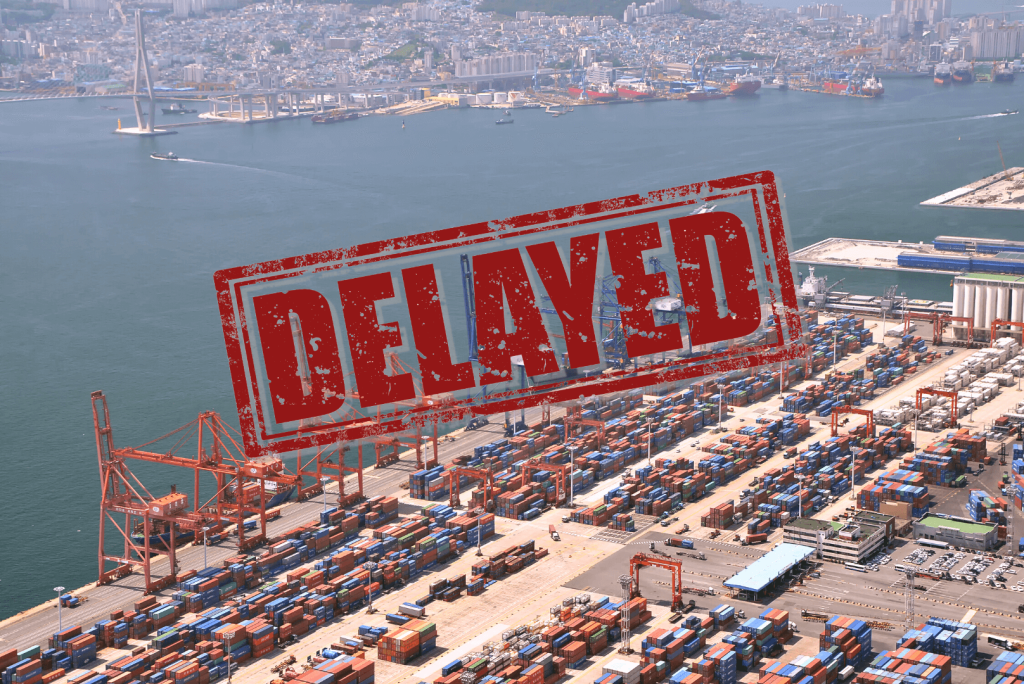
Bottleneck in shipping reffers to delays and restrictions in the normal flow of shipping. There are three main type of bottlenecks.
If there is a container ship which wants to transport 8.000 TEU from Rotterdam to Shanghai then in Shanghai there will be an 8.000 surplus of containers and in Rotterdam there will be an 8.000 shortage.
Here comes into the picture the depot. Rotterdam can request containers from its nearby depots to balance out the outgoins and Shanghai can distribute its surplus to its nearby depository.
When this distribution is managed poorly, then it creates the shipping bottleneck.


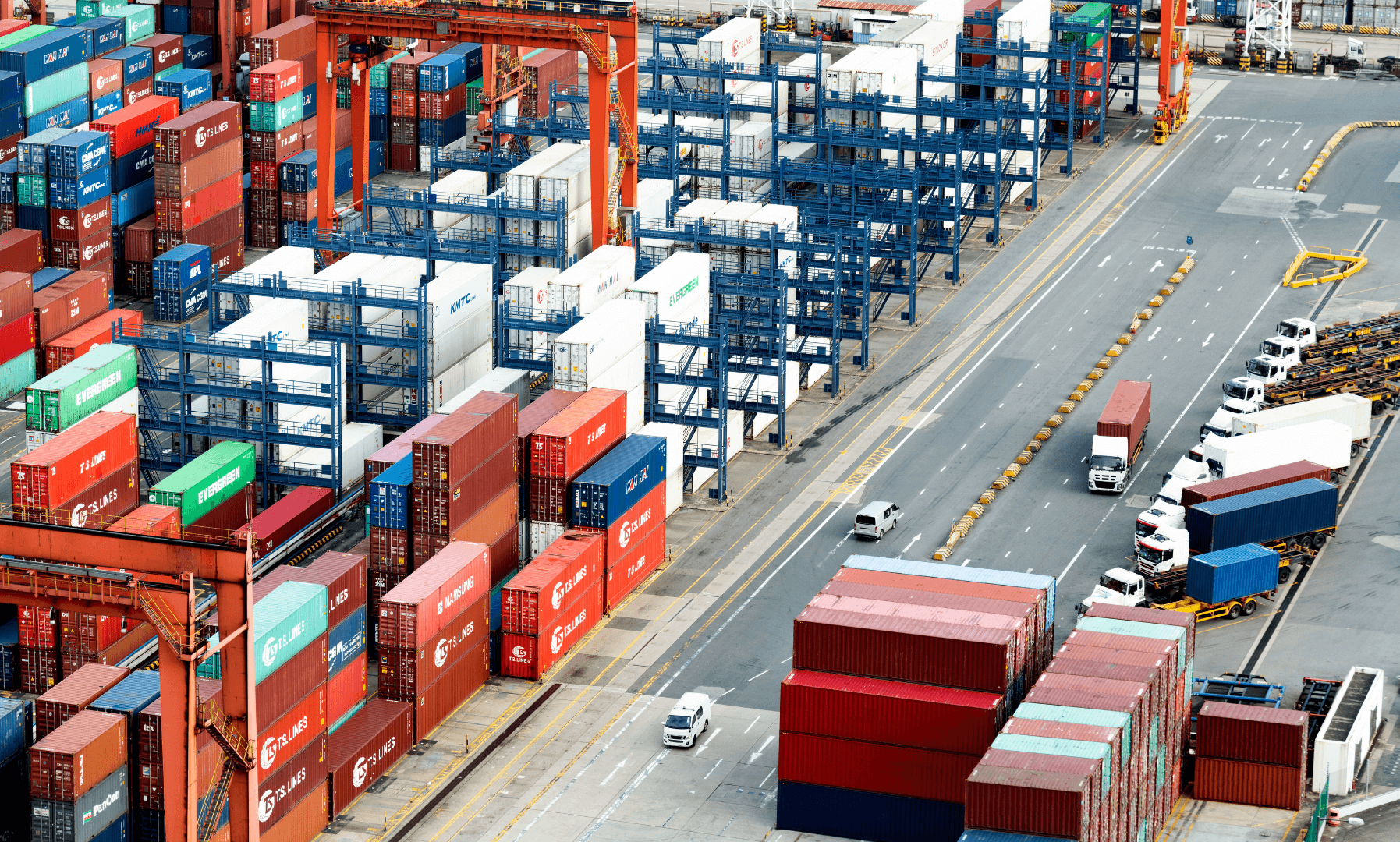
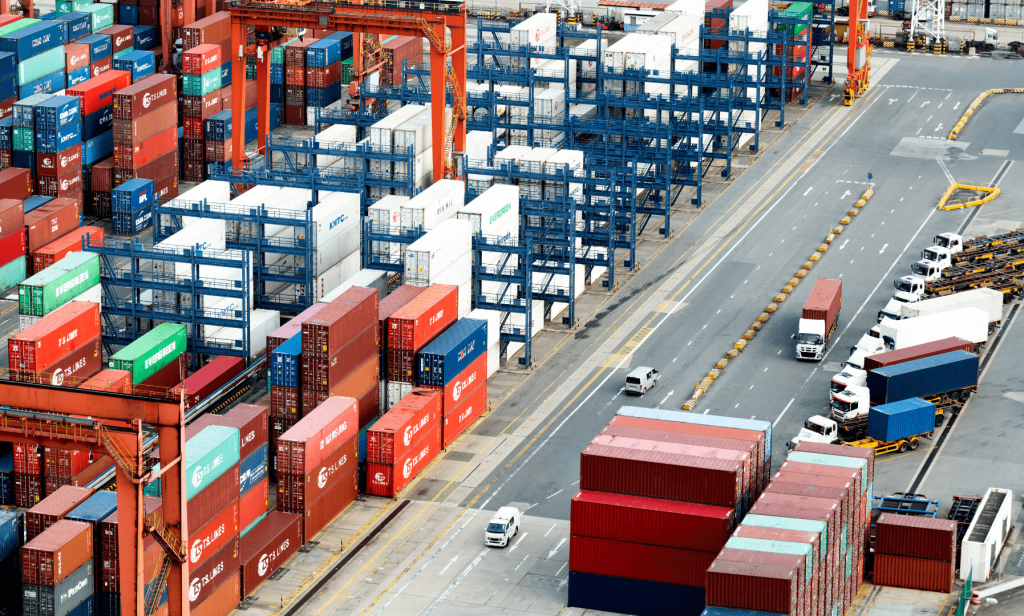
Depos are huge yards with a lot of place to store large container units. Most depots have large boundaries with points of entry and exit that are manned round the clock. Some depots have facilities that test for trace amounts of drugs and other substances in empty containers. This helps officials pinpoint and stop methods of smuggling.
It is a common misconception that in the depots the containers are stored with goods inside. When a container arrives to the port it is everyone’s interest that it is being transported as quickly as possible to its intended destination for unloading. After that the empty container can be stored in a container depot.
But the depos are not only for storing. They usually offer some other services such as cleaning, repairing, maintenance, protection, fumigation, transportation etc.
Container depots are an ideal case study of logistics and operations management. They showcase the steps that can be taken to overcome important problems such as bottlenecks and lack of space.


Hogyan kerüljük el a hibát? Mutatjuk, mire kell figyelni.


It seems that everything is known about shipping containers: they are strong steel boxes for transporting goods. But behind the external simplicity lie facts that can surprise even experienced logistics professionals. Here are five of the most interesting ones.


A tengeri konténer nemcsak kényelmes tárolási vagy műhelymegoldás, hanem kész befektetési eszköz is. Az ötlet egyszerű: vesz egy konténert, és kiadja bérbe. Az igény az ideiglenes raktárhelyiségek, építkezési munkásszállások, szezonális tárolás iránt stabil, sőt növekvő. Nézzük, mennyire jövedelmező ez a befektetés, és mennyi idő alatt térül meg a konténer.


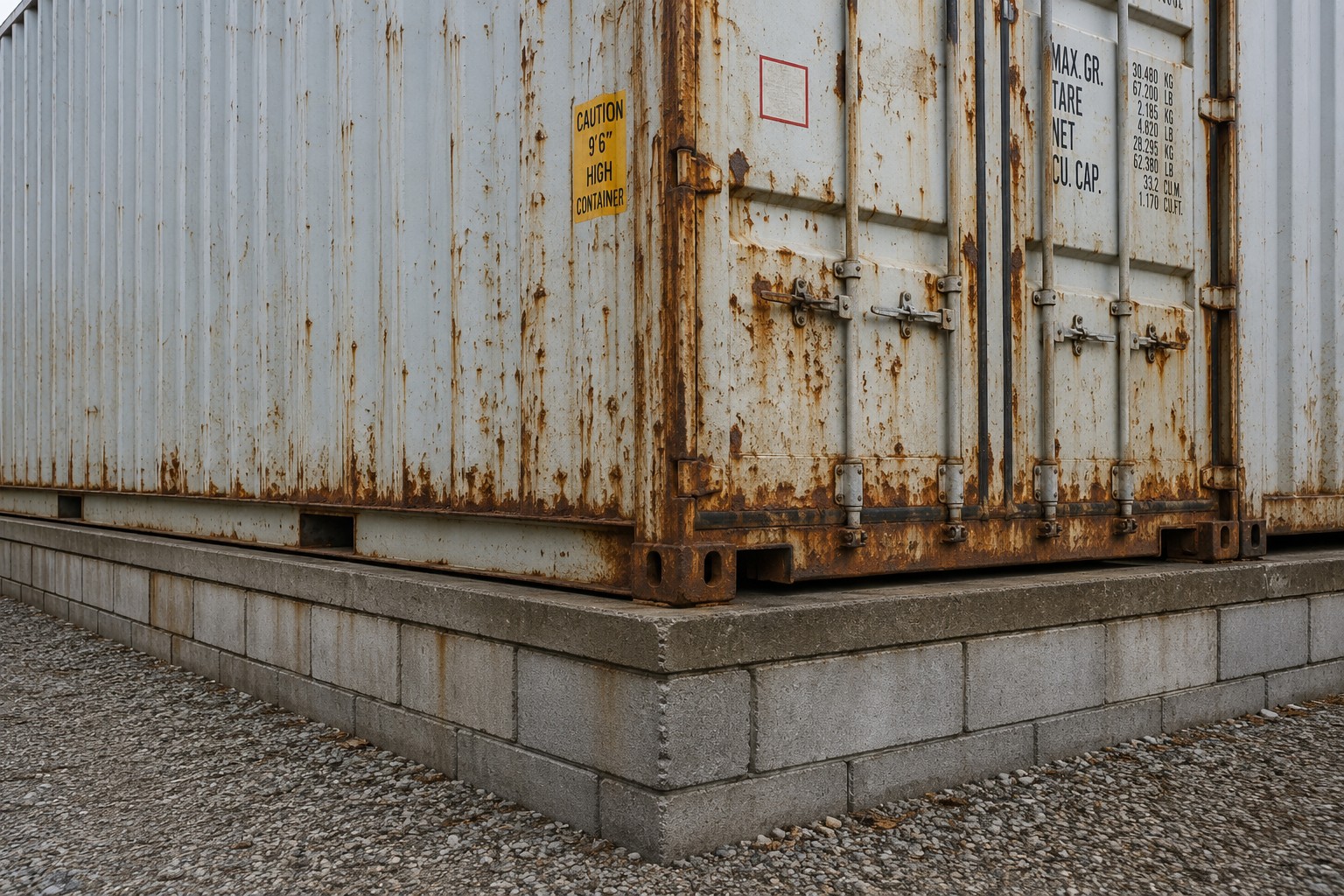
Ön vásárolt egy CW konténert – megbízható megoldást tárolásra, műhelynek vagy egyéb háztartási célokra. De ahhoz, hogy a konténer hosszú évekig szolgálja Önt, fontos, hogy helyesen telepítse.


When it comes to purchasing or renting a container, the first and most important choice is size. 20 and 40 feet may seem to differ only in length, but behind this lie fundamentally different capabilities.