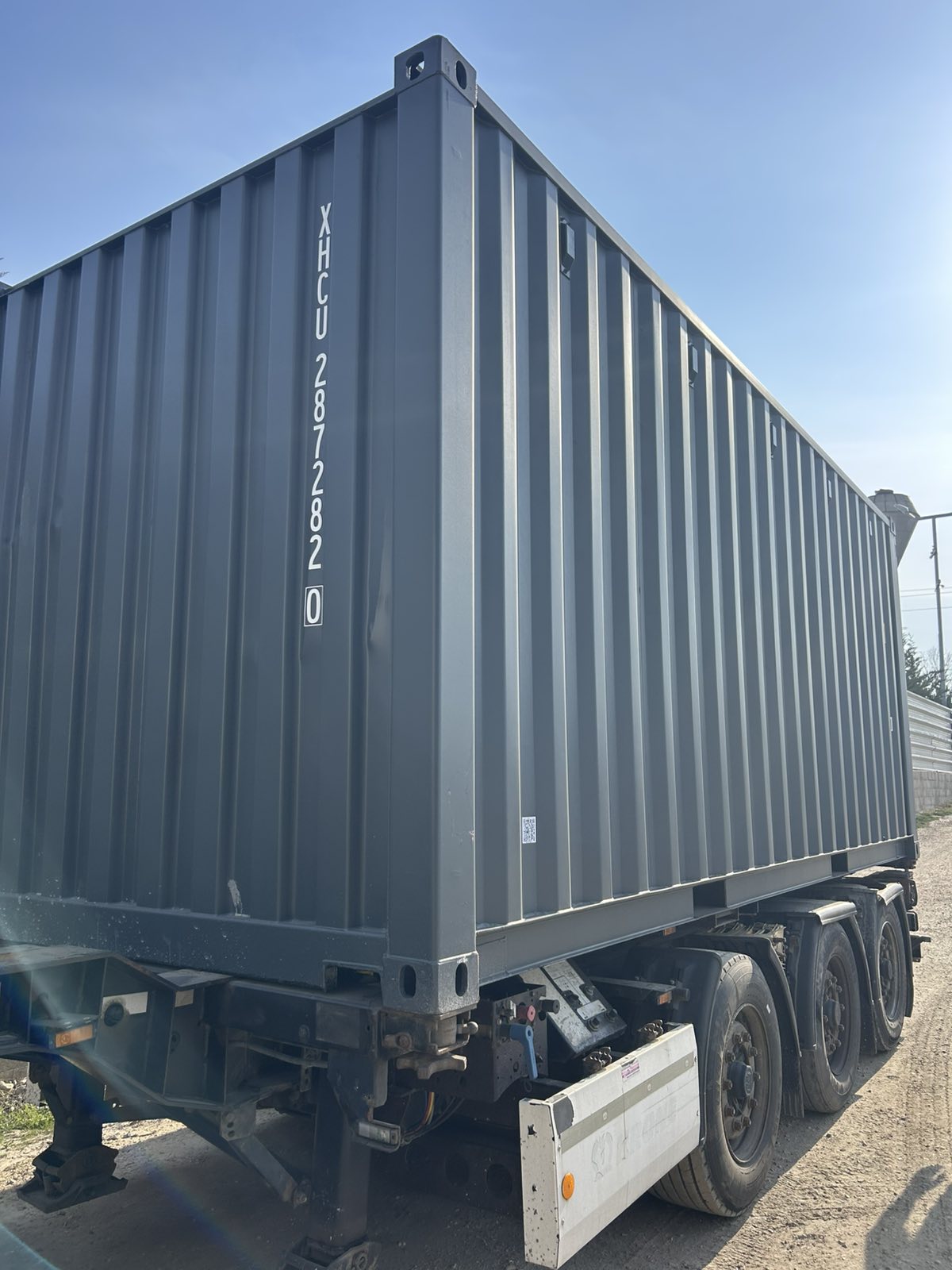

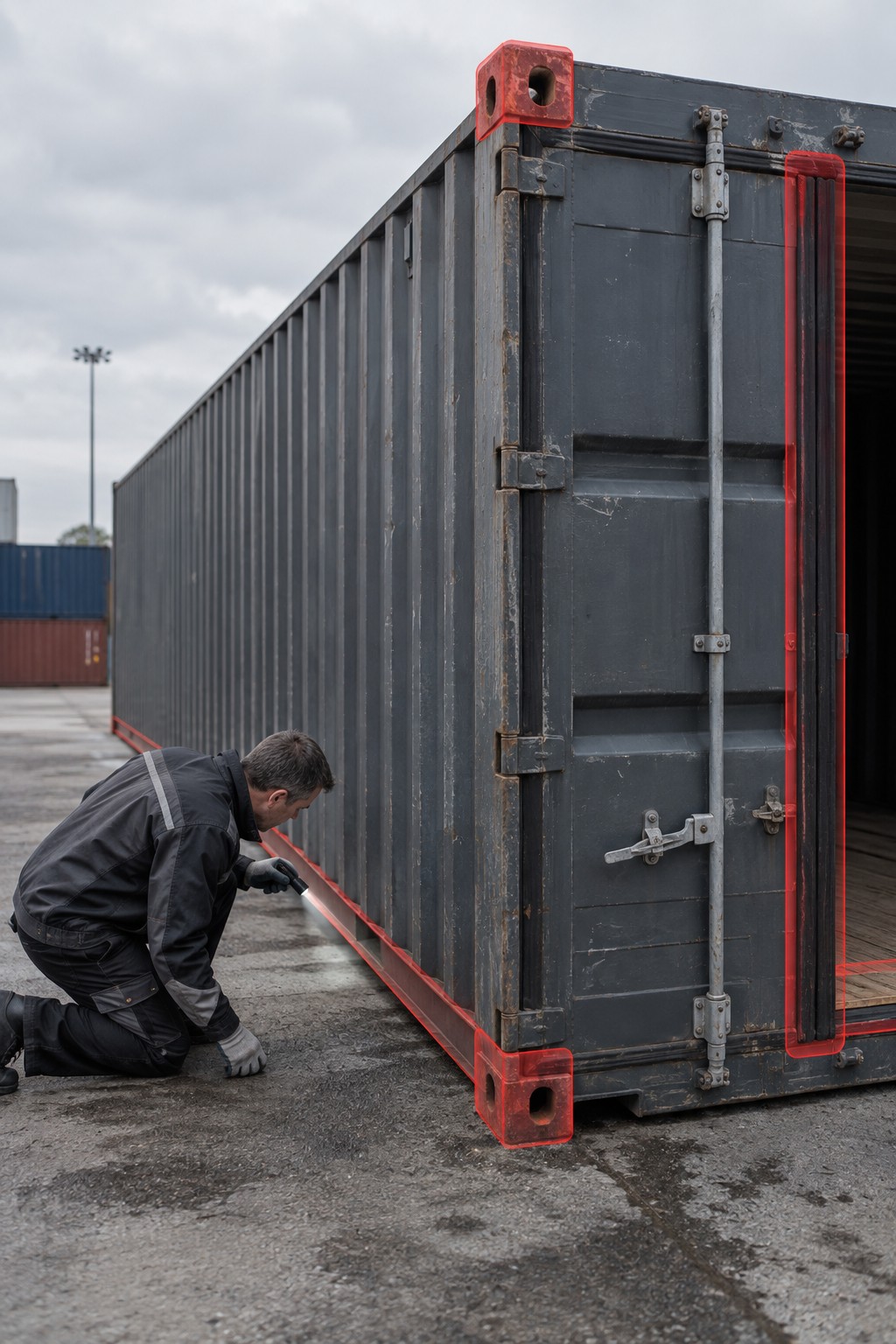

Hogyan különböztessük meg a minőséges konténert a “leírás szélén állótól”
Hogyan kerüljük el a hibát? Mutatjuk, mire kell figyelni.


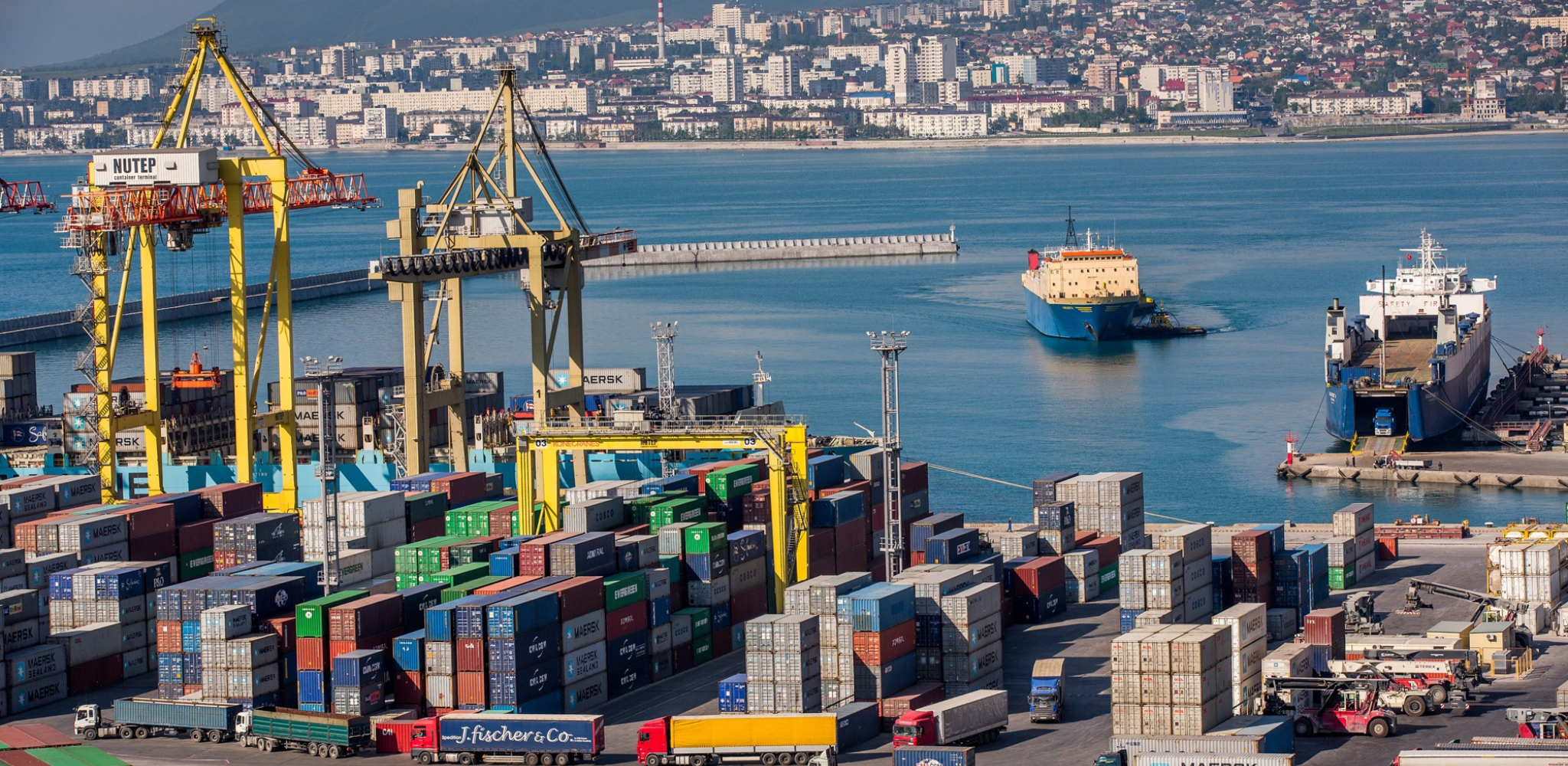
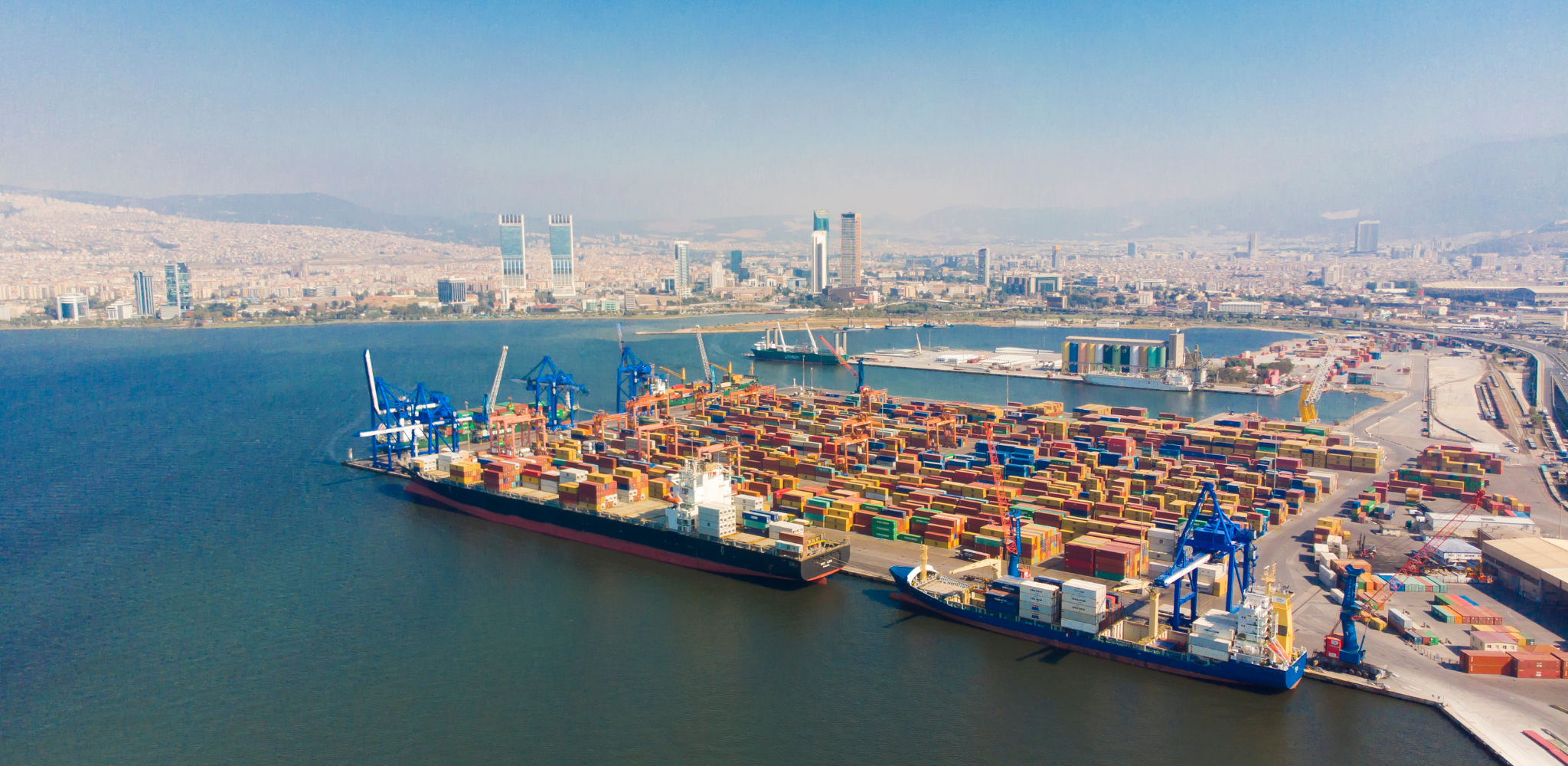
These ports are the places where you can find the most efficient and cost-effective solutions for your shipping and transportation needs. They are also the places where you can face the most challenges and risks, such as congestion, delays, customs, regulations, and security.
In this blog post series, we’ll show you some interesting facts and figures about the 8 of the world’s biggest ports, based on their annual container throughput. You’ll learn about their location, size, features, and trends, and discover how you can leverage their strengths and overcome their weaknesses.


Here are the 8 ports we’ll cover in this series:
These ports are located in Asia, Europe, and the Middle East, which are the most strategic and competitive regions in the world. They handle more than two-thirds of the world’s container traffic, and have a significant impact on the global trade and logistics industry.
But these ports are not just about numbers and statistics. They are also dynamic and complex systems that require careful planning and management. You can find different types of terminals, modes of transport, technologies, and services in these ports. You can also encounter different challenges and opportunities in these ports, such as environmental sustainability, digital transformation, innovation, and collaboration.


Whether you’re a freight forwarder, a carrier, a shipper, or a logistics service provider, you’ll find something interesting and relevant in this blog post series. You’ll get to see the world from a logistics perspective, and gain a deeper insight into the role and importance of these ports.
So how can you join us on this journey? It’s easy. Just subscribe to our newsletter at silver-runner.com, and you’ll receive an email notification every time we publish a new post in this series.
Don’t miss this opportunity to learn about the logistics operations in 8 of the world’s biggest ports.
Fill out this form and get notified!


Hogyan kerüljük el a hibát? Mutatjuk, mire kell figyelni.


It seems that everything is known about shipping containers: they are strong steel boxes for transporting goods. But behind the external simplicity lie facts that can surprise even experienced logistics professionals. Here are five of the most interesting ones.


A tengeri konténer nemcsak kényelmes tárolási vagy műhelymegoldás, hanem kész befektetési eszköz is. Az ötlet egyszerű: vesz egy konténert, és kiadja bérbe. Az igény az ideiglenes raktárhelyiségek, építkezési munkásszállások, szezonális tárolás iránt stabil, sőt növekvő. Nézzük, mennyire jövedelmező ez a befektetés, és mennyi idő alatt térül meg a konténer.


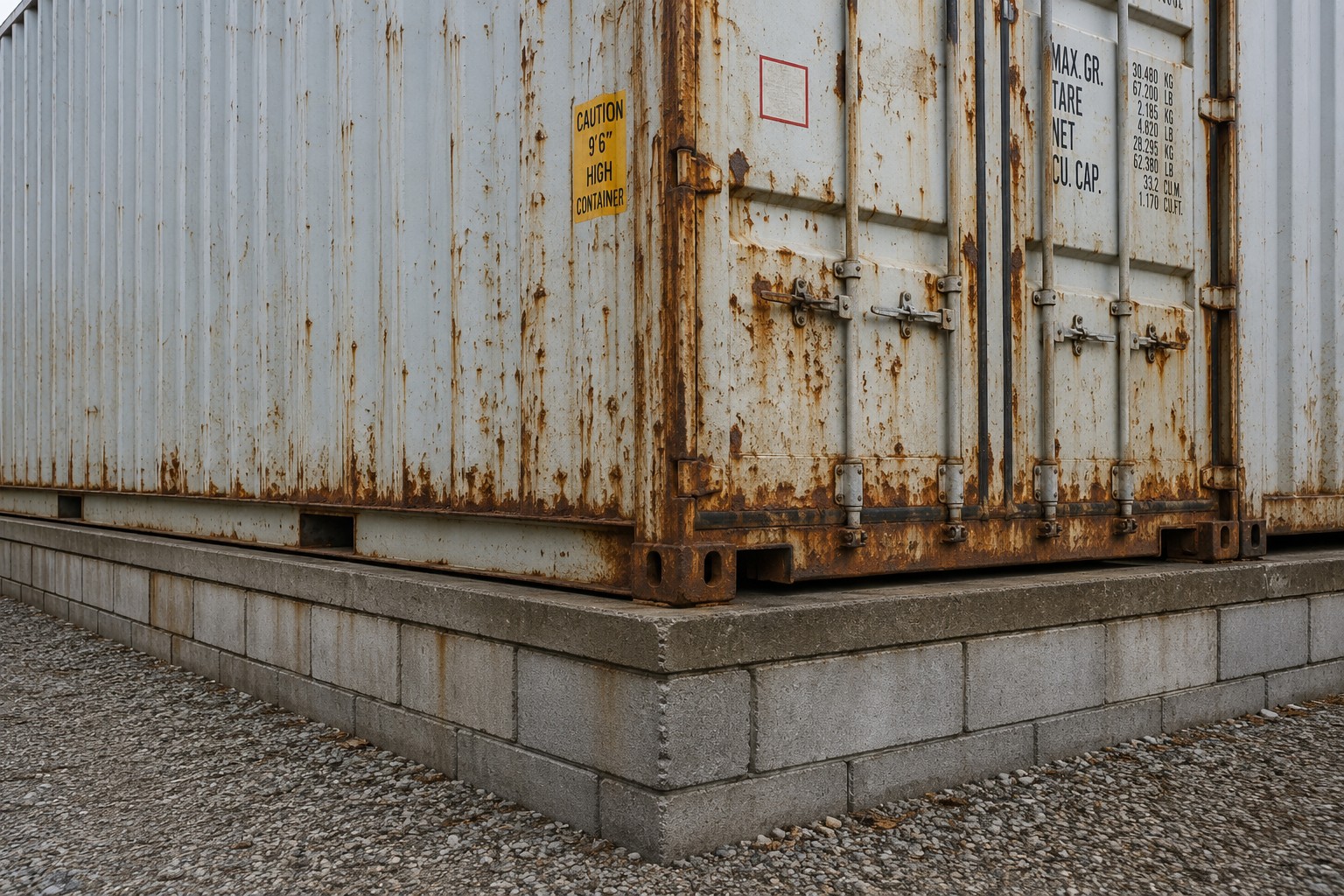
Ön vásárolt egy CW konténert – megbízható megoldást tárolásra, műhelynek vagy egyéb háztartási célokra. De ahhoz, hogy a konténer hosszú évekig szolgálja Önt, fontos, hogy helyesen telepítse.


When it comes to purchasing or renting a container, the first and most important choice is size. 20 and 40 feet may seem to differ only in length, but behind this lie fundamentally different capabilities.