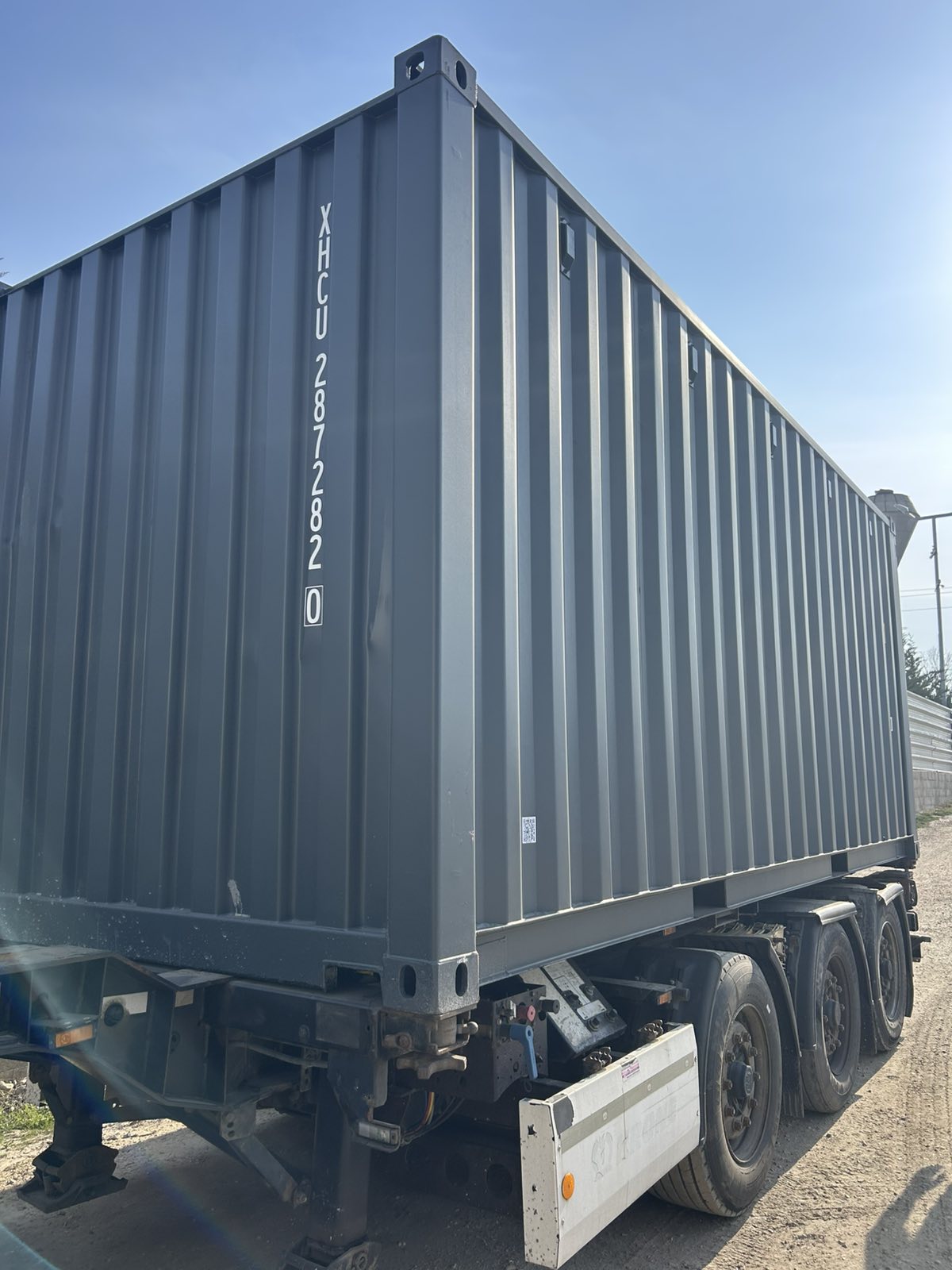





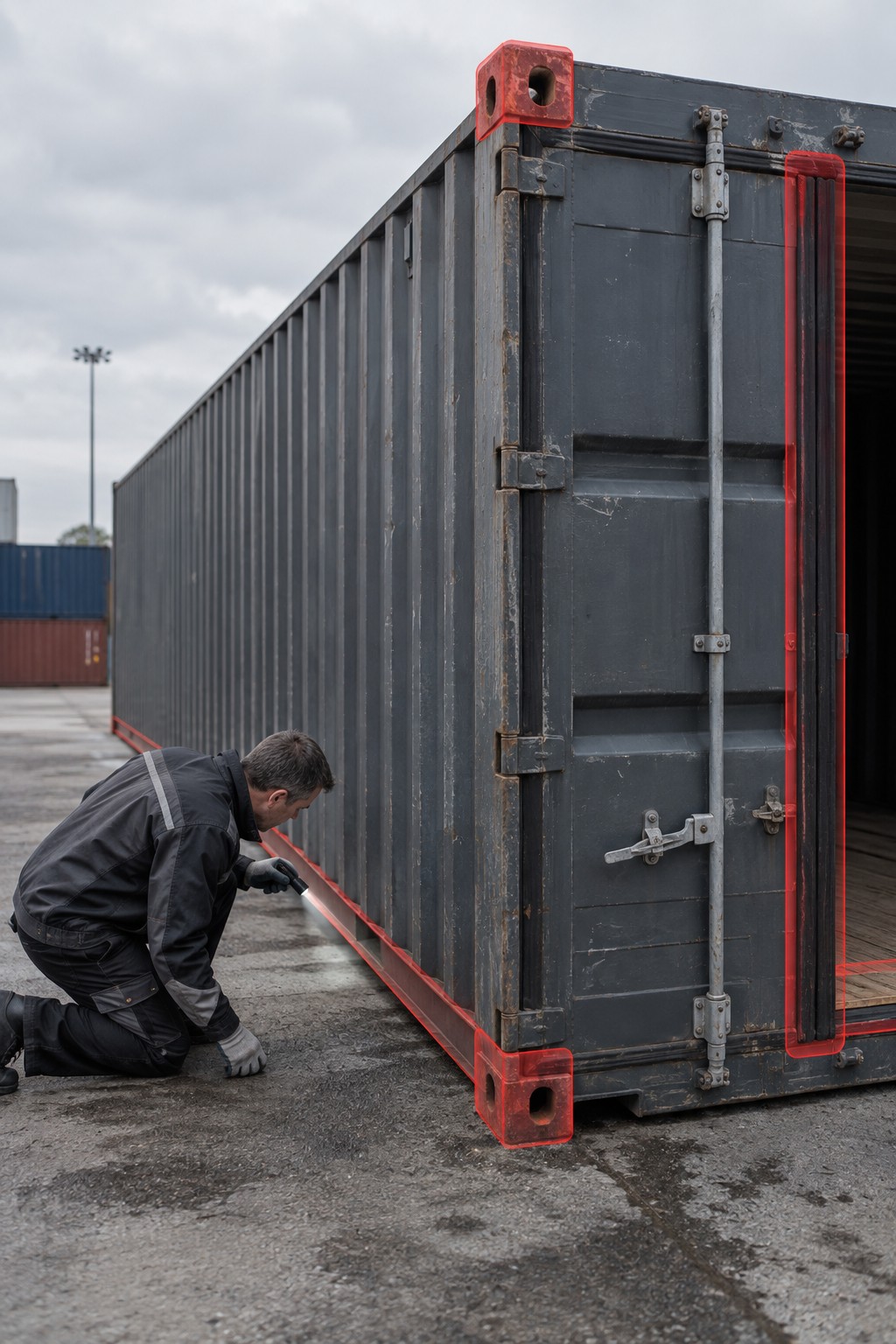

Hogyan különböztessük meg a minőséges konténert a “leírás szélén állótól”
Hogyan kerüljük el a hibát? Mutatjuk, mire kell figyelni.


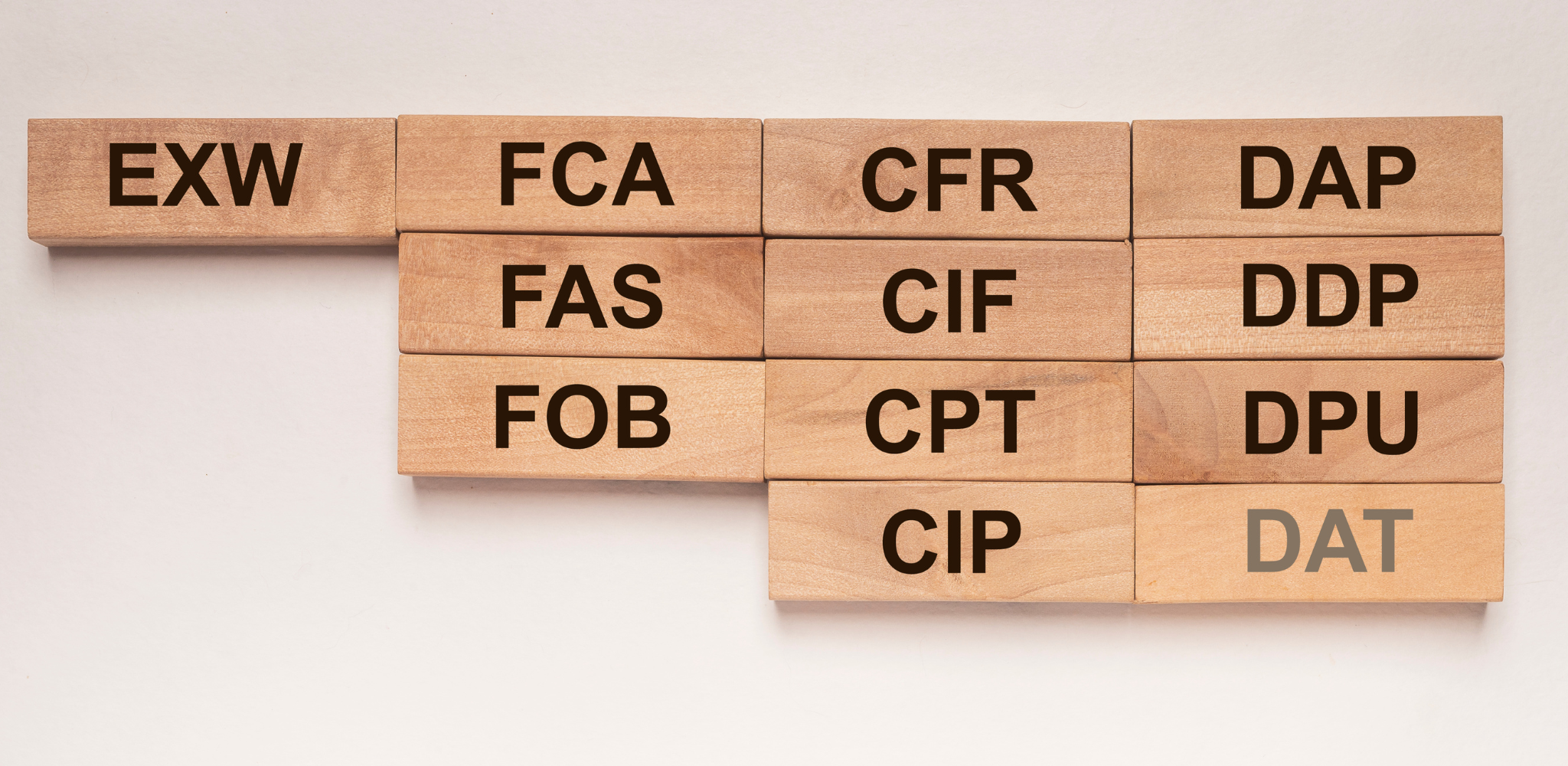
Incoterms are a set of pre-defined commercial terms published by the International Chamber of Commerce (ICC) that define the responsibilities and liabilities of exporters and importers in the arrangement of shipments and the transfer of ownership and risk involved at various stages of the transportation process.
Incoterms are not laws or contracts, but rather guidelines that parties can agree to use in their sales contracts to avoid misunderstandings and disputes. They also provide a common language for traders across different countries and regions.


Incoterms are important for several reasons:


The Incoterms 2020 rules are the latest version of the Incoterms rules, which were updated by the ICC in 2019 and came into effect on January 1, 2020. They replace the previous version, which was published in 2010.
The Incoterms 2020 rules consist of 11 rules, divided into two categories:
Rules for any mode of transport: These rules can be used for shipments that involve any mode or combination of modes of transport, such as road, rail, air, sea, or inland waterway. They are:
Rules for sea and inland waterway transport: These rules can be used for shipments that involve only sea or inland waterway transport, such as barge, ship, or ferry. They are:


Choosing the right Incoterm for your shipment depends on several factors, such as:
As a general rule, you should choose an Incoterm that:
For example, if you are shipping non-containerized cargo by sea only, you may consider using FOB or CIF terms. If you are shipping containerized cargo by multimodal transport, you may consider using FCA or CIP terms.


To use Incoterms correctly, you should follow these steps:


Incoterms are essential tools for international trade that help to define the responsibilities and liabilities of exporters and importers in the arrangement of shipments and the transfer of ownership and risk involved at various stages of the transportation process. By choosing and using the right Incoterm for your shipment, you can avoid misunderstandings and disputes, reduce costs and risks, and increase efficiency and convenience.


Hogyan kerüljük el a hibát? Mutatjuk, mire kell figyelni.


It seems that everything is known about shipping containers: they are strong steel boxes for transporting goods. But behind the external simplicity lie facts that can surprise even experienced logistics professionals. Here are five of the most interesting ones.


A tengeri konténer nemcsak kényelmes tárolási vagy műhelymegoldás, hanem kész befektetési eszköz is. Az ötlet egyszerű: vesz egy konténert, és kiadja bérbe. Az igény az ideiglenes raktárhelyiségek, építkezési munkásszállások, szezonális tárolás iránt stabil, sőt növekvő. Nézzük, mennyire jövedelmező ez a befektetés, és mennyi idő alatt térül meg a konténer.


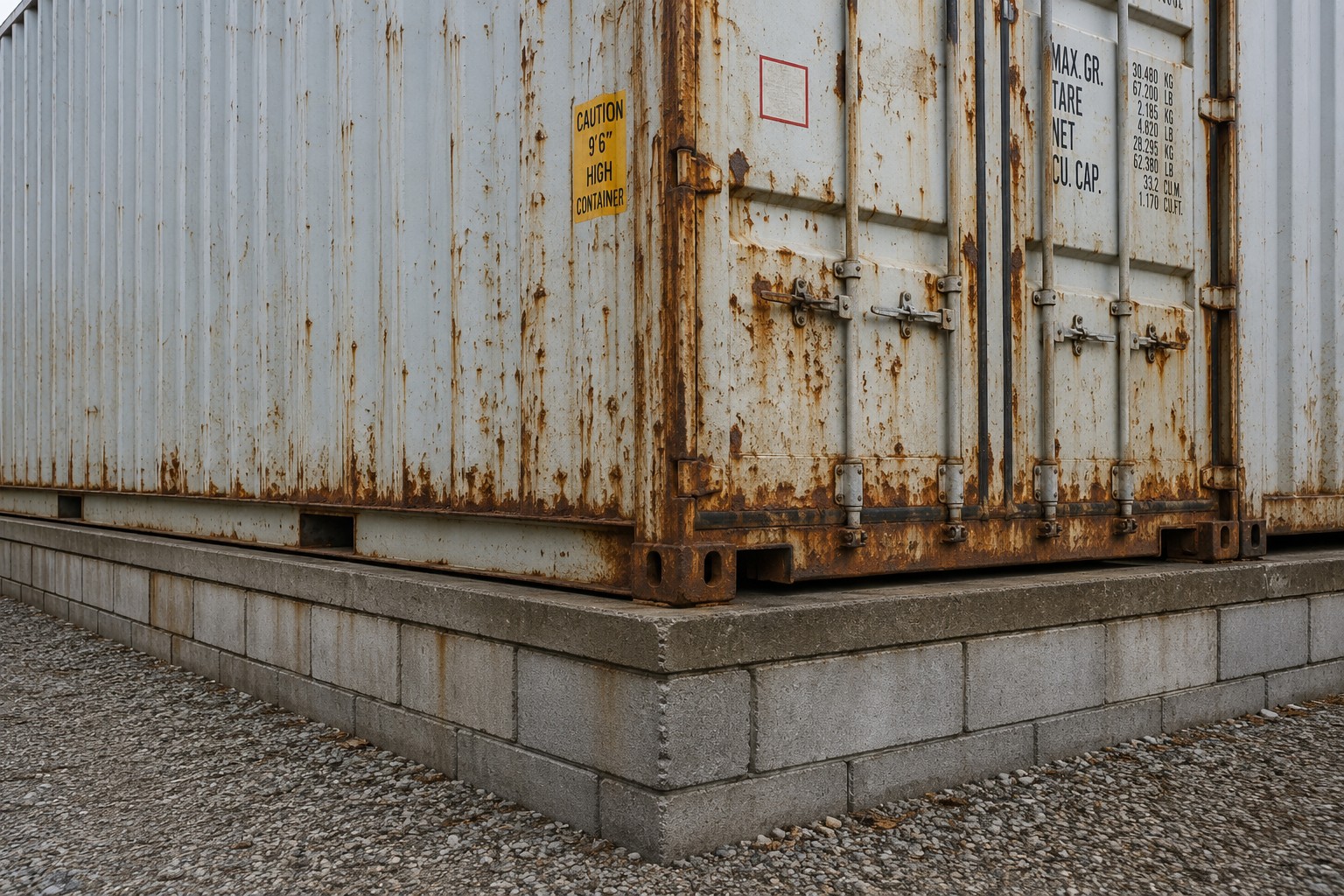
Ön vásárolt egy CW konténert – megbízható megoldást tárolásra, műhelynek vagy egyéb háztartási célokra. De ahhoz, hogy a konténer hosszú évekig szolgálja Önt, fontos, hogy helyesen telepítse.


When it comes to purchasing or renting a container, the first and most important choice is size. 20 and 40 feet may seem to differ only in length, but behind this lie fundamentally different capabilities.