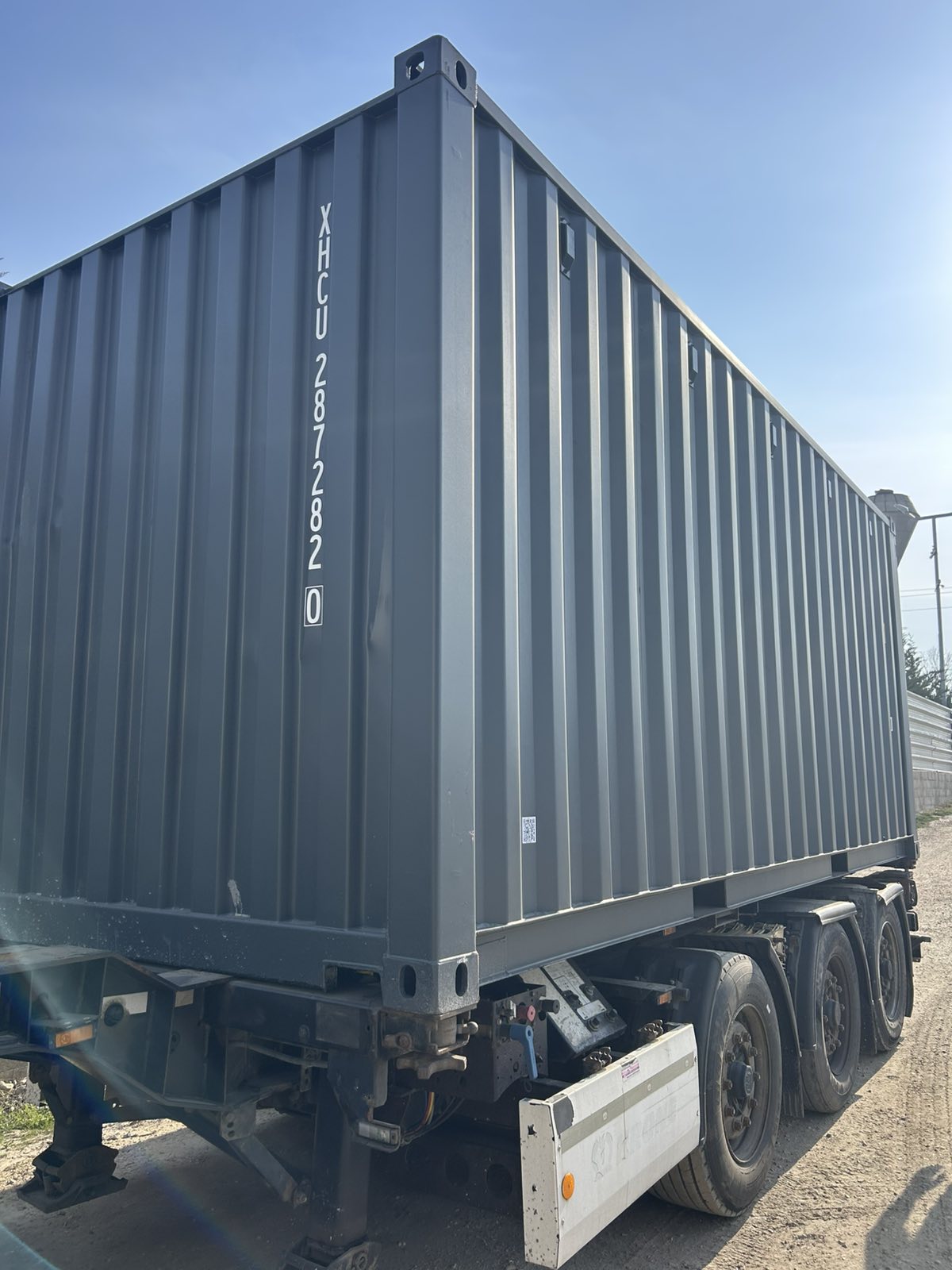


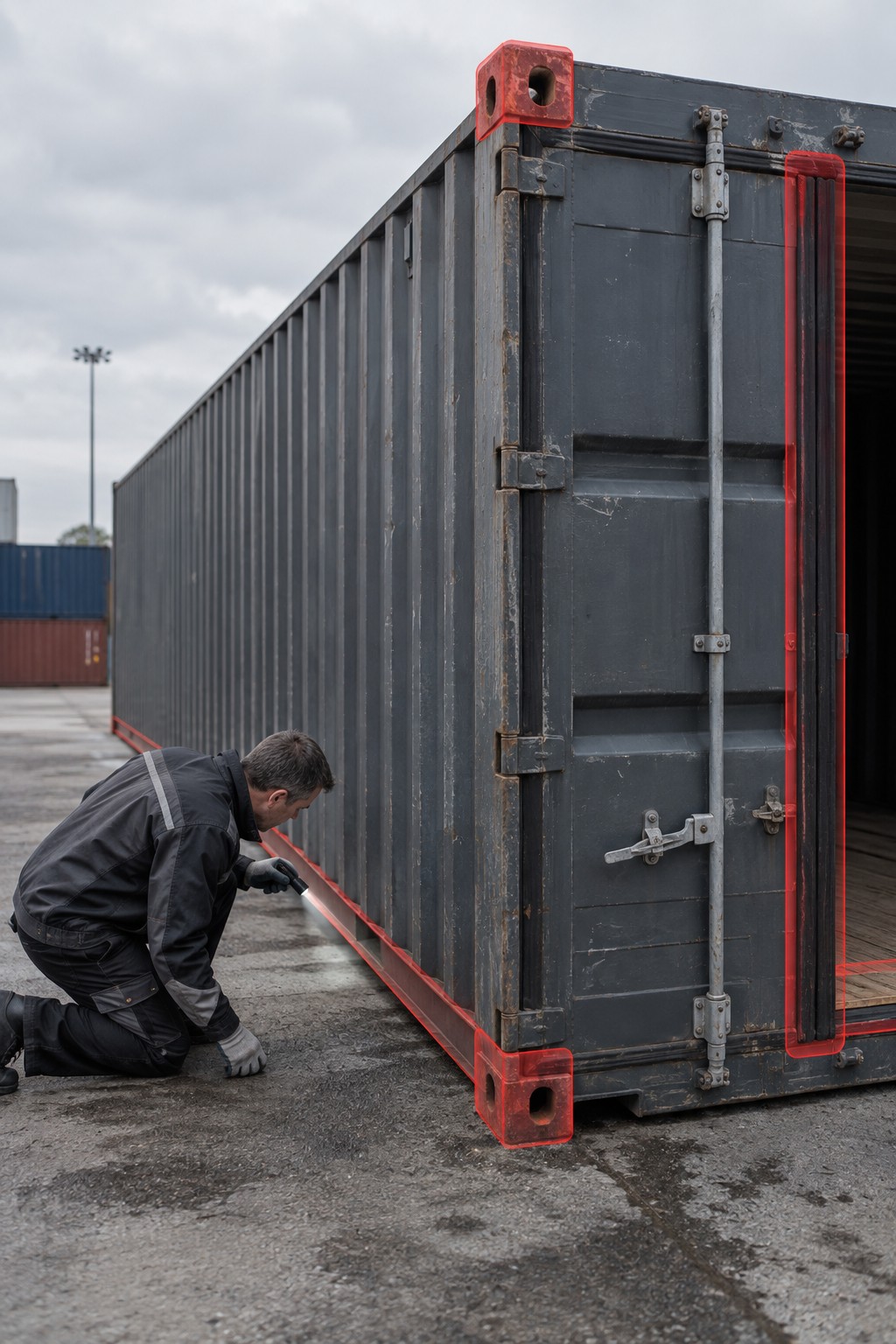

Hogyan különböztessük meg a minőséges konténert a “leírás szélén állótól”
Hogyan kerüljük el a hibát? Mutatjuk, mire kell figyelni.


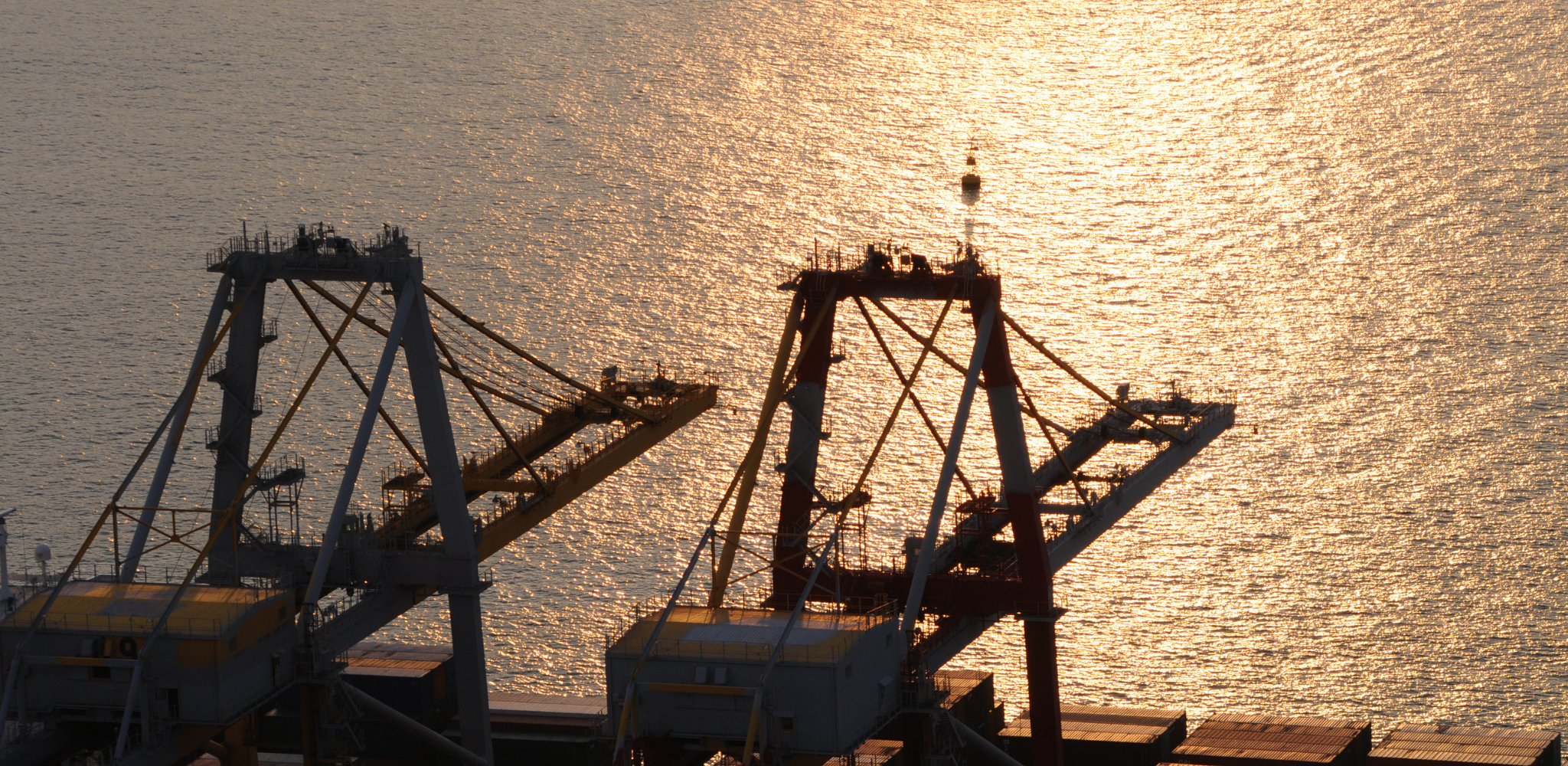
It is also home to the largest port in South Korea and the fifth-largest in the world, which serves as a major gateway for trade between Asia and Europe. The port of Busan is a key asset for the country’s economy and a showcase of its technological innovation.


The port of Busan covers an area of about 12 square kilometers and has a coastline of about 40 kilometers. It is located on Yong Island, which is connected to the mainland by a drawbridge. The port has 37 container terminals and 8 general cargo terminals, with a total of 190 berths.
The port of Busan has several characteristics and benefits that make it a leading port in South Korea and the world. Some of them are:


The port of Busan has a high degree of openness and connectivity with other ports around the world. According to its official website, it has established trade relations with more than 500 ports from over 100 countries and regions. It also participates in several regional and global initiatives such as the Belt and Road Initiative (BRI), which aims to promote infrastructure and trade cooperation among Asia, Europe, Africa, and beyond.
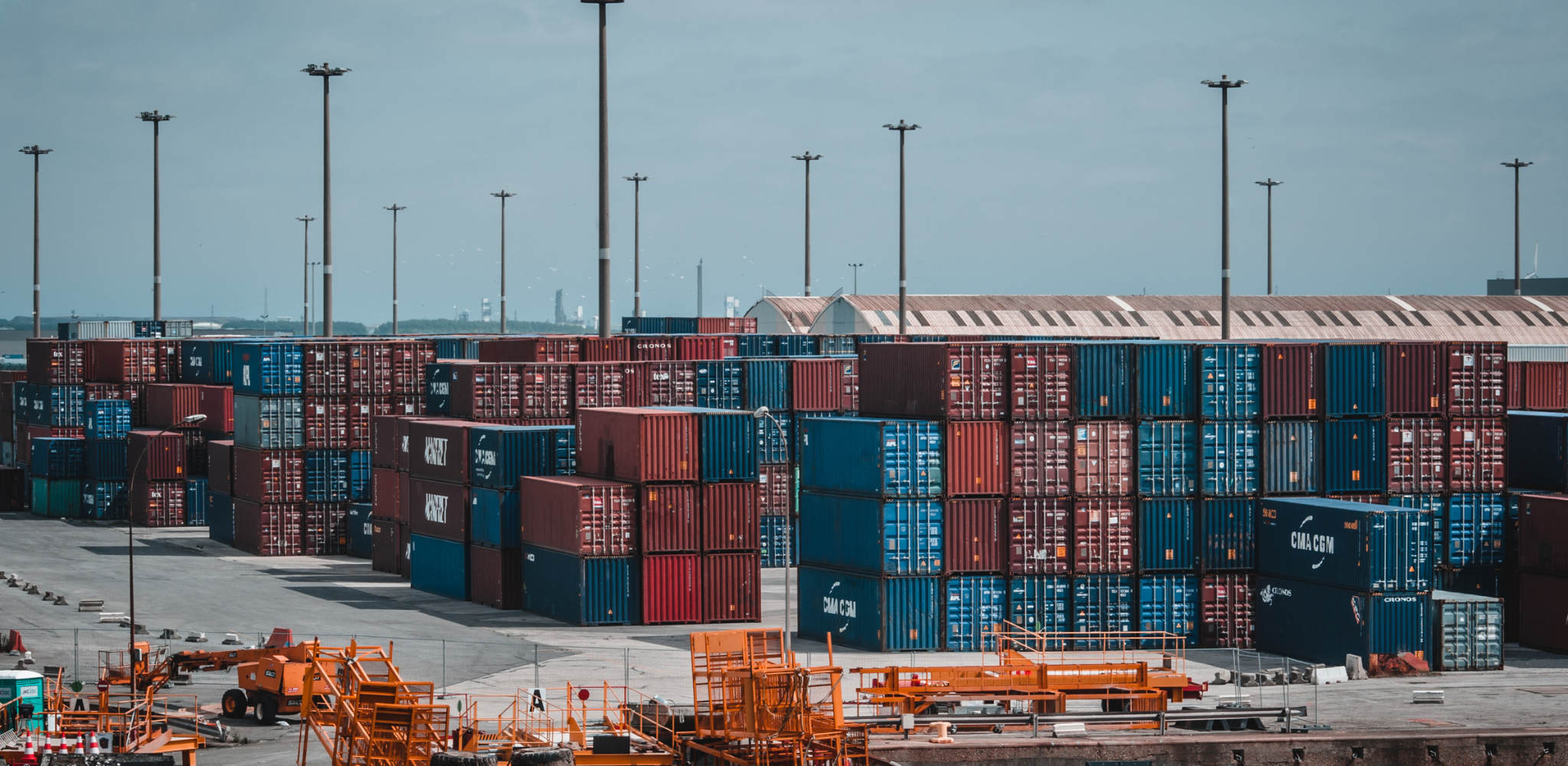
The port of Busan handles various types of cargo that reflect its diversified business portfolio. According to its annual report for 2020, it handled a total of 440 million tons of cargo and 21.9 million TEUs (twenty-foot equivalent units) of containers in that year. The main cargo types were:


Despite its impressive achievements, Busan Port also faces some challenges in its operations. One of them is the impact of COVID-19 on global trade and logistics. The pandemic has disrupted the demand and supply of goods, as well as the availability and reliability of shipping services. This has affected the volume and throughput of Busan Port.
To cope with the challenges posed by COVID-19, Busan Port has implemented some measures to ensure its continuity and resilience. For example:
Another challenge for Busan Port is the competition from other ports in South Korea and abroad. Some of these ports are also expanding their capacity and improving their technology to attract more cargo and customers. For example, Incheon Port is the second-largest port in South Korea by container throughput. It is also developing its own smart port system.
To maintain its edge over its competitors, Busan Port has to continue to innovate and diversify its services. One of its strategies is to develop its green port concept, which aims to reduce its environmental impact and enhance its sustainability. It plans to do so by:
Another strategy for Busan Port is to explore new markets and sectors that have potential for growth. For example, it plans to develop its cruise terminal and marina to attract more tourists and visitors. It also plans to expand its involvement in e-commerce logistics, cold chain logistics, urban logistics, and green logistics.


Busan Port is the largest port in South Korea and the fifth-largest in the world, which serves as a major gateway for trade between Asia and Europe. The port of Busan is a key asset for the country’s economy and a showcase of its technological innovation.
Busan Port has several characteristics and benefits that make it a leading port in South Korea and the world. It has a natural deep-water harbor, a comprehensive port service system, a strong hinterland connection, and a high level of automation and intelligence.
Busan Port has a high degree of openness and connectivity with other ports around the world. It has established trade relations with more than 500 ports from over 100 countries and regions. It also participates in several regional and global initiatives such as the Belt and Road Initiative (BRI).
Busan Port also faces some challenges in its operations, such as the impact of COVID-19 on global trade and logistics, and the competition from other ports in South Korea and abroad. To cope with these challenges, it has implemented some measures to ensure its continuity and resilience, such as enhancing its health and safety protocols, increasing its collaboration with other ports and stakeholders, optimizing its operation modes, and launching new shipping routes.
To maintain its edge over its competitors, Busan Port has to continue to innovate and diversify its services. One of its strategies is to develop its green port concept, which aims to reduce its environmental impact and enhance its sustainability. Another strategy is to explore new markets and sectors that have potential for growth, such as cruise tourism, e-commerce logistics, cold chain logistics, urban logistics, and green logistics.
Busan Port is not only a key asset for South Korea’s economy but also a vital link for global trade and commerce. It is a testament to South Korea’s rapid development and innovation in the past decades. It is also a showcase of South Korea’s vision and ambition for the future.


Hogyan kerüljük el a hibát? Mutatjuk, mire kell figyelni.


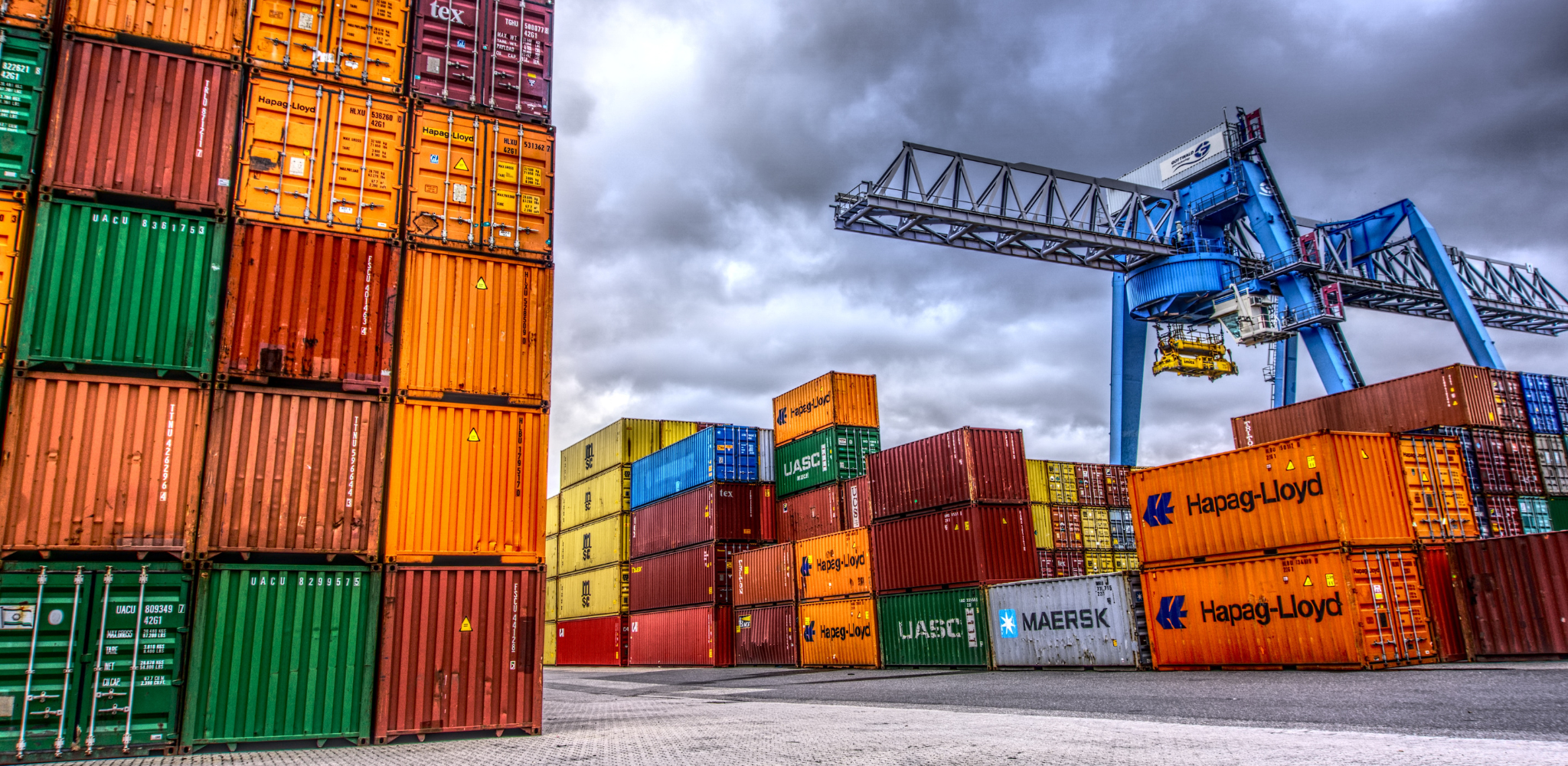
It seems that everything is known about shipping containers: they are strong steel boxes for transporting goods. But behind the external simplicity lie facts that can surprise even experienced logistics professionals. Here are five of the most interesting ones.


A tengeri konténer nemcsak kényelmes tárolási vagy műhelymegoldás, hanem kész befektetési eszköz is. Az ötlet egyszerű: vesz egy konténert, és kiadja bérbe. Az igény az ideiglenes raktárhelyiségek, építkezési munkásszállások, szezonális tárolás iránt stabil, sőt növekvő. Nézzük, mennyire jövedelmező ez a befektetés, és mennyi idő alatt térül meg a konténer.


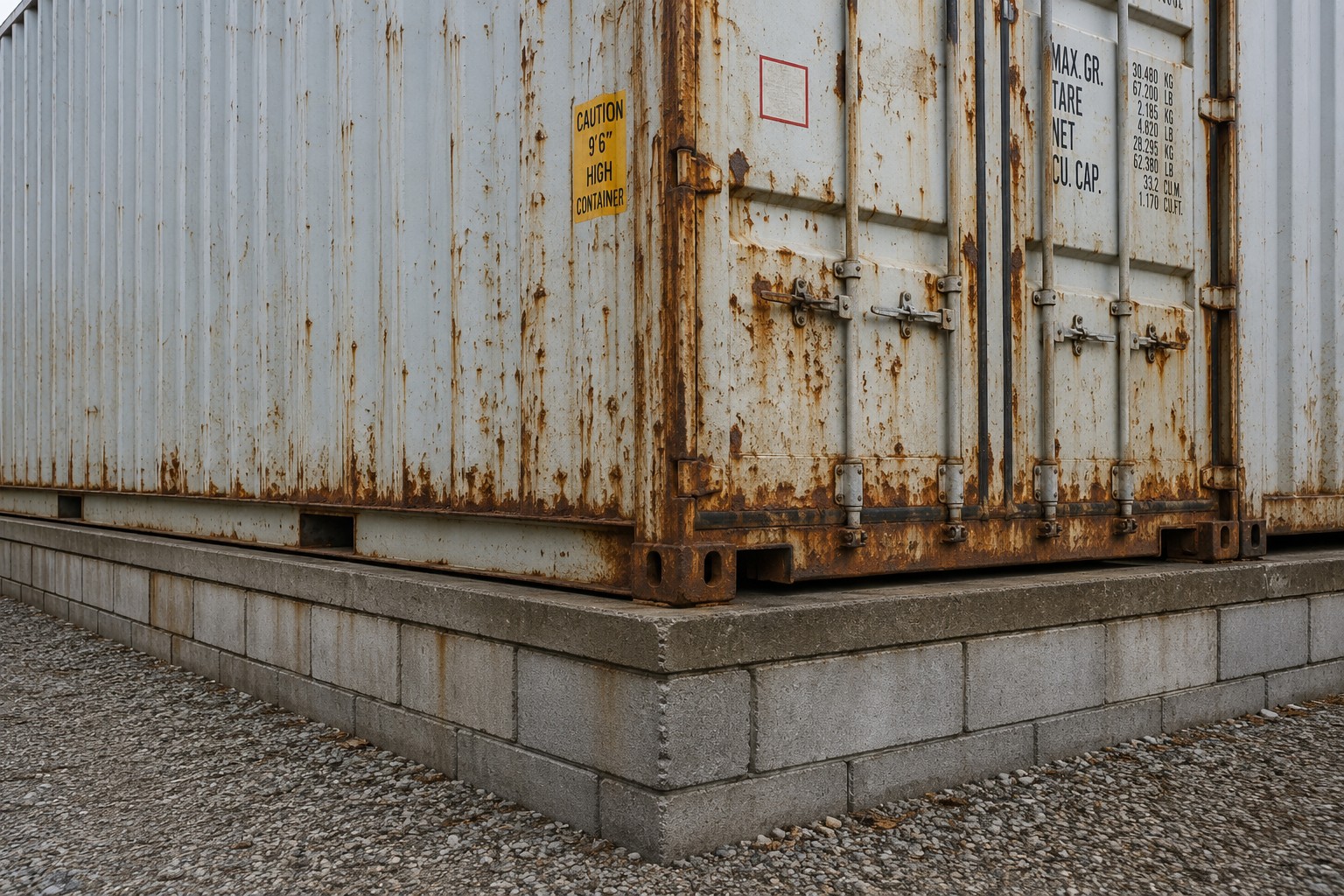
Ön vásárolt egy CW konténert – megbízható megoldást tárolásra, műhelynek vagy egyéb háztartási célokra. De ahhoz, hogy a konténer hosszú évekig szolgálja Önt, fontos, hogy helyesen telepítse.


When it comes to purchasing or renting a container, the first and most important choice is size. 20 and 40 feet may seem to differ only in length, but behind this lie fundamentally different capabilities.