


Why Clients Choose Silver Runner: Our Geography and Key Advantage
We share our key operational areas and the unique product that saves our clients’ budgets.


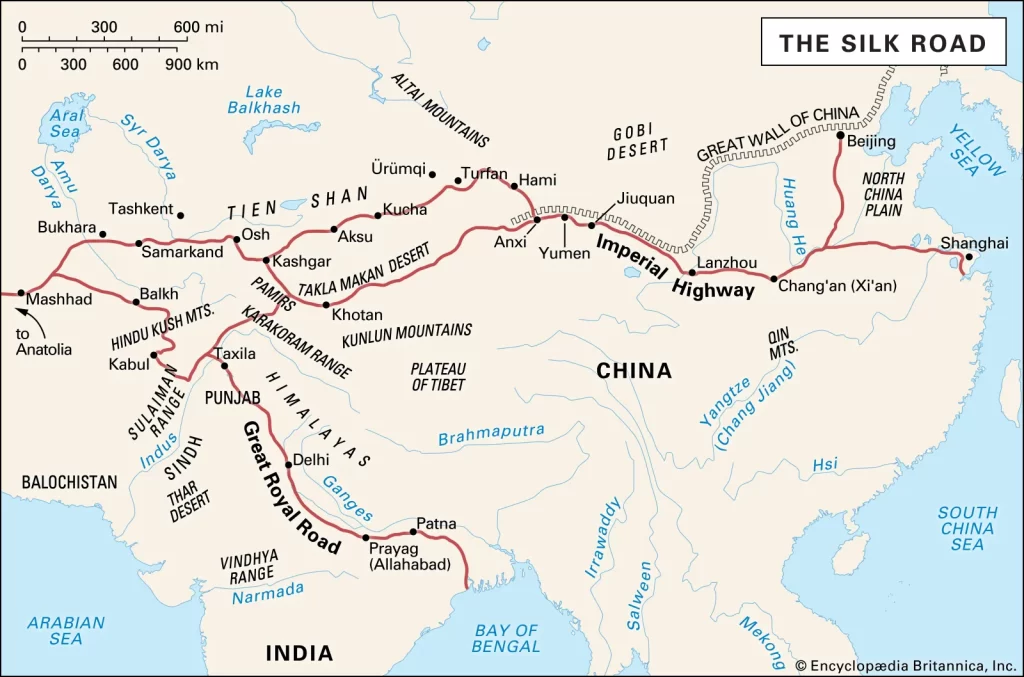
The Silk Road was established around 206 BC – 220 AD. During this time period the Han Dynasty was ruling over China. They wanted to make the trading easier and more accessible, therefore they build a trading network with Central Asian countries and later they even connected it to Europe. They traded spices, jade and silk and in return they brought back glass, gold and other noble metals to China.
Basically this route served as an exchange bridge for culture and trade between the Asian countries and Europe. This blooming trade concept gave the idea of The New Silk Road.


First in 2010 the United States formulated the idea to boost the economic developementin Afghanistan andthe trades with Central Asia. But they never completed the project due to its cost/return for the US. Later on they contributed only 1% of the total cost before they pulled out completely.
The Chinese goverment has taken over the New Silk Road project with the goal to construct an unified large market and make full use of international markets.
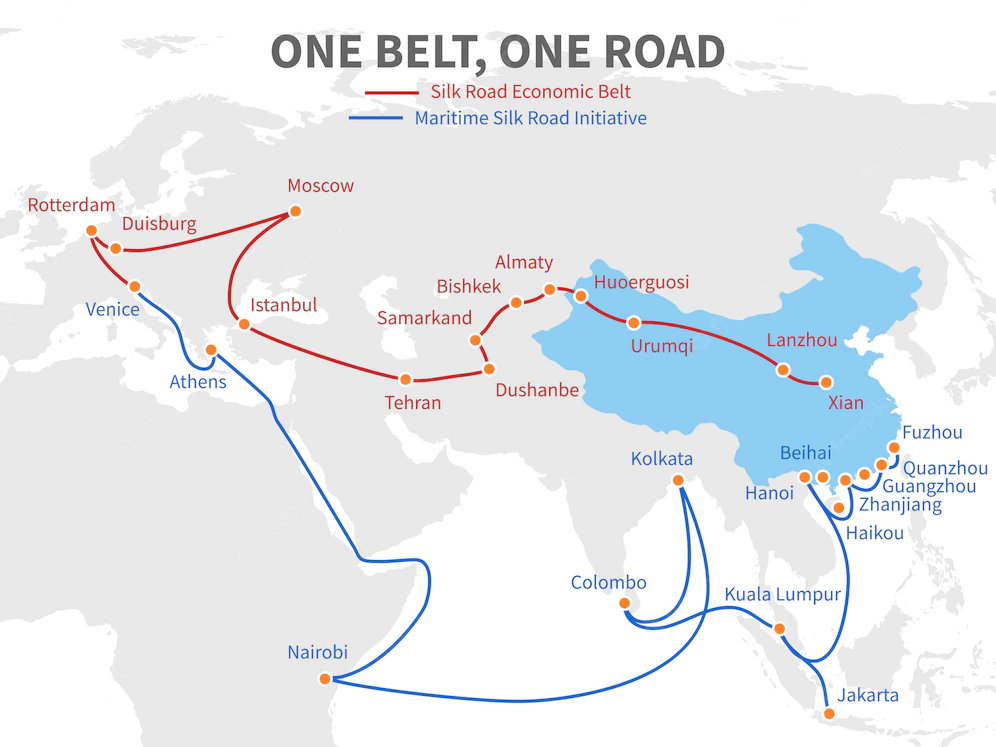
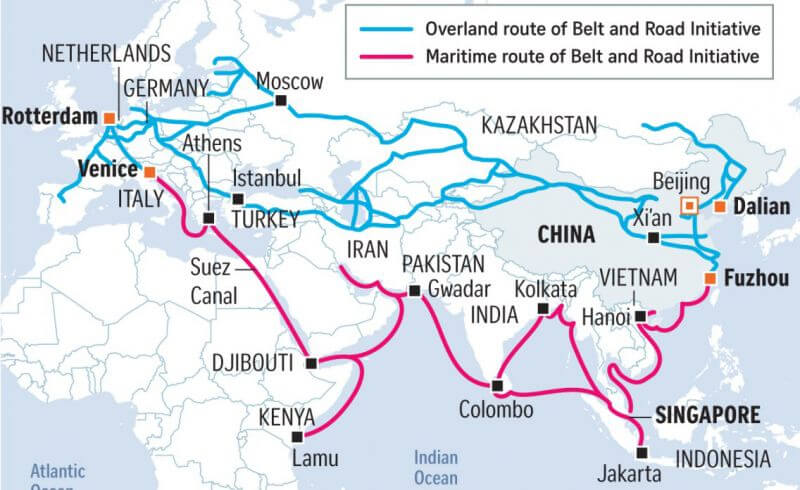
The official name for the initiative is the Silk Road Economic Belt and 21st-Century Maritime Silk Road Developement Strategy. For obvious reasons it was shortenned to One Belt One Road (OBOR) strategy and it’s english translation was further modified in 2016 to Belt and Road Initative (BRI). The ‘Belt’ refers to the overland routes and the ‘Road’ refers to the sea routes.


On September 7th, 2013 the Silk Road Economic Belt was initiated that aims to connect Central Asian countries. The ‘One Belt’ streches from the Indian Ocean all the way to the Baltic Sea.
On October 3rd, 2013, the 21st Century Maritime Silk Road was initiated with the purpose of connecting the member countries in the Association of Southeast Asian Nations. The ‘One Road’ route stretches to Europe via the South China Sea and the Indian Ocean, and it stretches to the South Pacific Ocean via the South China Sea.
Due to the current situtation between Russia and Ukraine there was increased demand for routes which excludes russian territory. There were plenty of options to avoid the country before, but nowadays they are given a prominent role. The maritime transport is one way to go, or there are railways as well. Both reliable and safe for transporting goods.


China is the most important trading partner for many european countries, therefore this new transportation route can be beneficial for both parties and many others on the way.


We share our key operational areas and the unique product that saves our clients’ budgets.


If you’re in logistics, you know the word “freight.” If you’re in Germany or Austria in February, you know the word “Fashing.” They sound similar. They share the same first letter. But the similarity ends there.


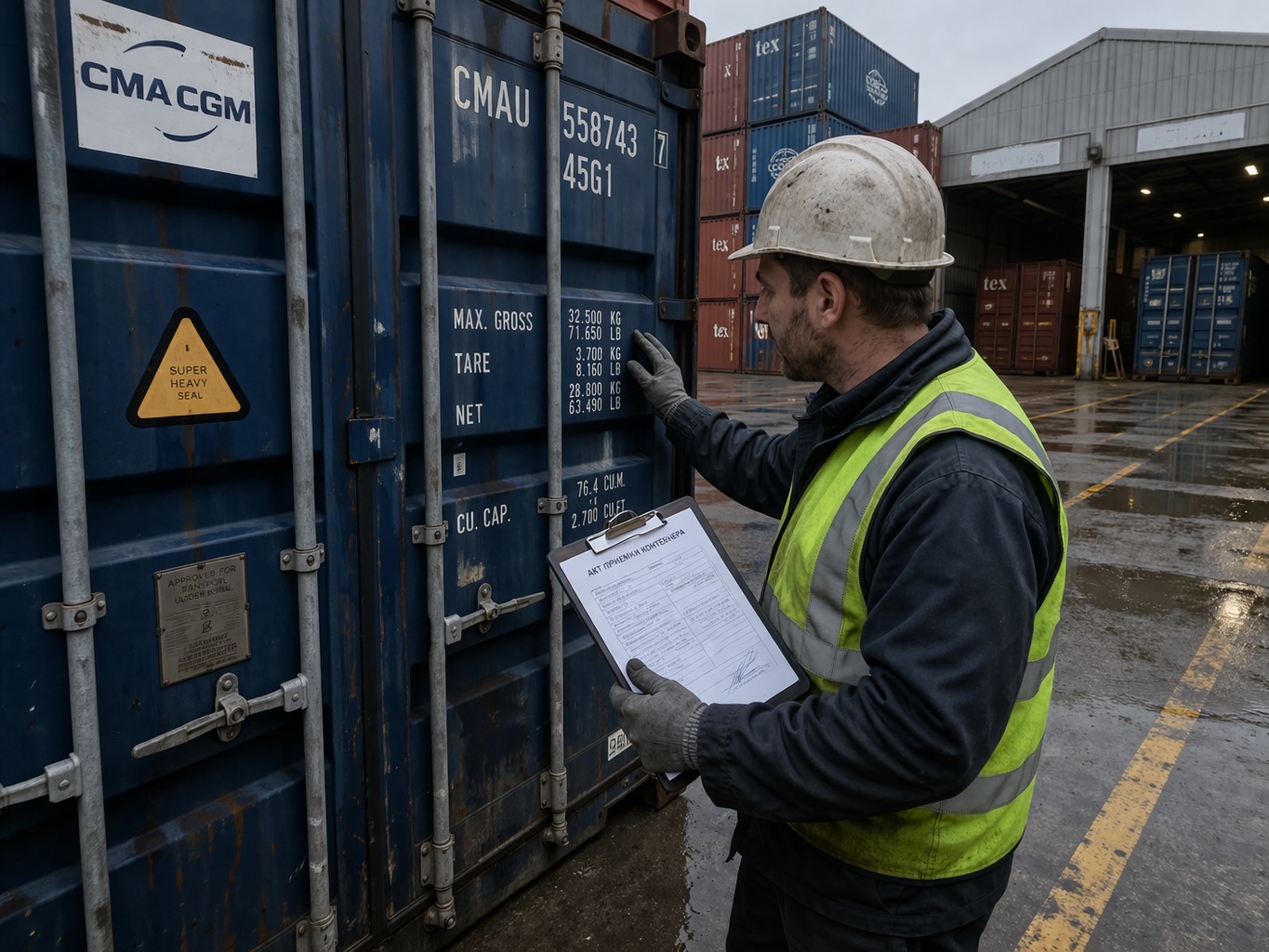
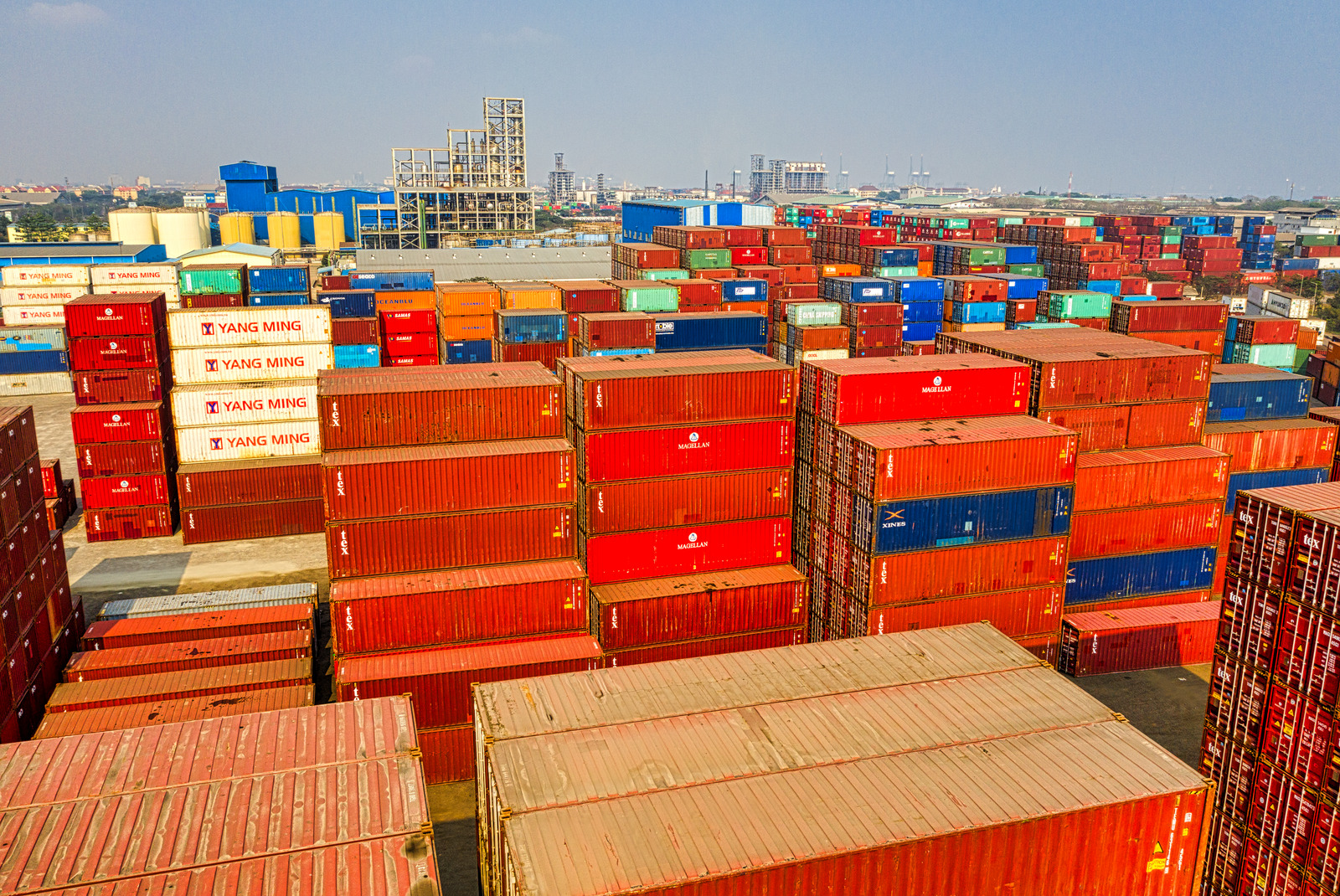
Container shipping is the backbone of modern international trade. Every day, millions of containers cross borders, delivering a vast variety of goods. However, there are clear rules defining what cannot be placed inside a container under any circumstances. Violating these prohibitions risks not only heavy fines and cargo confiscation, but also criminal liability, and in some cases, poses a real threat to life and the environment.


We say something else: “We’re already working on it.”


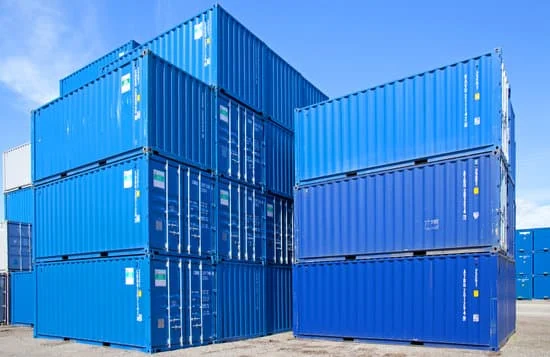
Amikor bérel vagy vásárol egy konténert, a megbízhatóságba és tartósságba fektet be. Gyakran feltett kérdés: “De hány évig fog így kibírni egy ilyen konténer?” Nézzük meg a tengeri konténerek élettartamát, és meséljünk arról, hogyan biztosítjuk Önnek a vállalatunk a legjobb kiindulást projektekhez.